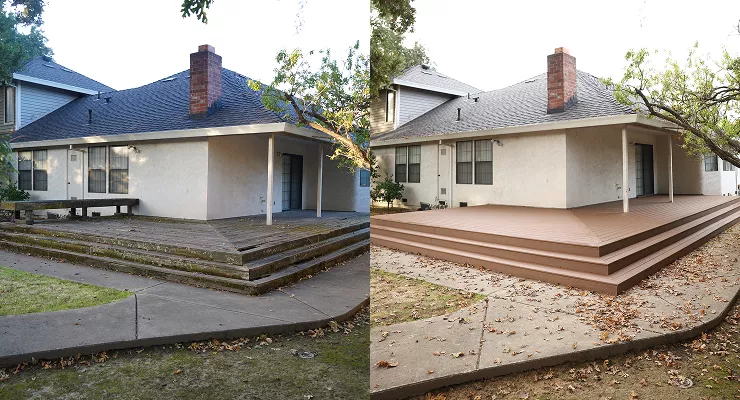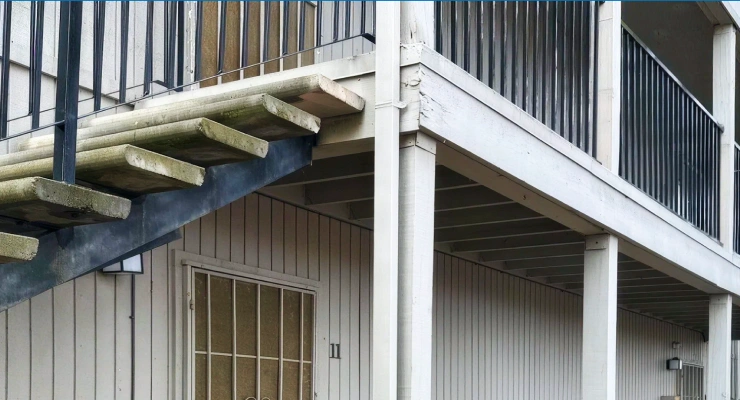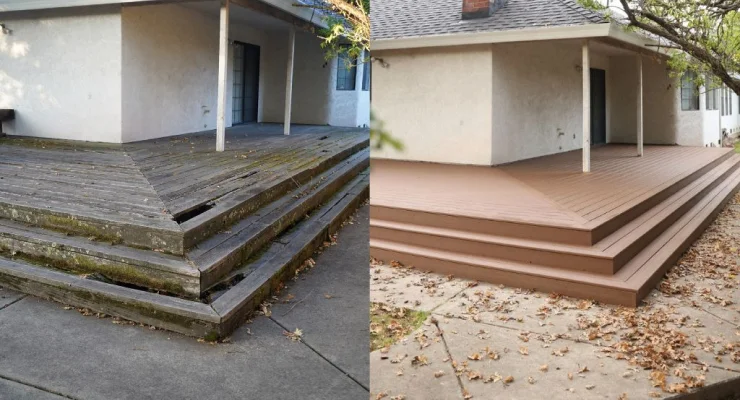
Building a deck is one of the most practical ways to turn an underused backyard into a comfortable outdoor living space. A well-planned deck can create room for dining, relaxing, entertaining, grilling, or simply enjoying more time outside while improving the way your home connects to the yard.
A deck is more than a gathering spot or a design upgrade. It can also support resale value when it is built correctly. The 2025 Cost vs. Value Report shows strong return potential for deck additions, especially when the project balances durable materials, safe construction, and a design that feels like a natural extension of the home.
But what makes a deck truly well designed? It should be safe under real use, properly supported, resistant to moisture and sun exposure, comfortable to move through, and visually aligned with the home. A professional deck contractor considers footing depth, ledger attachment, beam and joist layout, drainage, railing height, stair geometry, fastener compatibility, and manufacturer requirements before the first board is installed.
This deck building guide explains how ABD approaches the process from planning and site evaluation to material selection, structural framing, surface installation, safety checks, and long-term maintenance. You will also see where DIY deck projects often go wrong and why professional planning matters for durability, code compliance, and everyday safety.
The scope and value of deck construction
Deck value depends on the material, market, design, and quality of construction. Recent Cost vs. Value data shows that both wood and composite deck additions can retain a strong share of their project cost at resale, but ROI should not be the only reason to build. The most valuable deck is one that improves daily use, passes inspection, handles weather exposure, and stays safe over time.
A well-designed deck expands usable living space without changing the home’s interior footprint. It can create a smoother transition from the kitchen, living room, or backyard to an outdoor area built for meals, guests, pets, children, and quiet everyday use.
Essential deck planning considerations
Before construction starts, the most important decisions should be made on paper. A good deck plan defines how the space will be used, how it will connect to the home, what loads it must support, which materials make sense, and what local code or permit requirements apply.
Purpose and lifestyle
A deck for family dinners needs different dimensions than a deck built for lounge seating, a grill station, a spa, or large gatherings. The layout should reflect traffic flow, furniture size, privacy needs, sun exposure, and how people will move between the house, stairs, yard, and seating areas.
Materials
Decking materials should be selected for climate exposure, maintenance expectations, budget, slip resistance, appearance, and manufacturer installation requirements. Pressure-treated wood, redwood, PVC, capped composite, and Trex-style composite boards each perform differently under moisture, UV exposure, foot traffic, and temperature changes.
Safety and compliance
Deck safety depends on much more than the visible boards. Footings, posts, beams, joists, ledger attachment, flashing, lateral bracing, guardrails, handrails, stair rise and run, fasteners, and connectors all need to work together as one structural system.
Integration with your home and landscape
A deck should feel like it belongs to the home, not like an afterthought. The best designs respect door thresholds, siding lines, window placement, roof overhangs, drainage patterns, landscaping, privacy, and the natural slope of the yard.
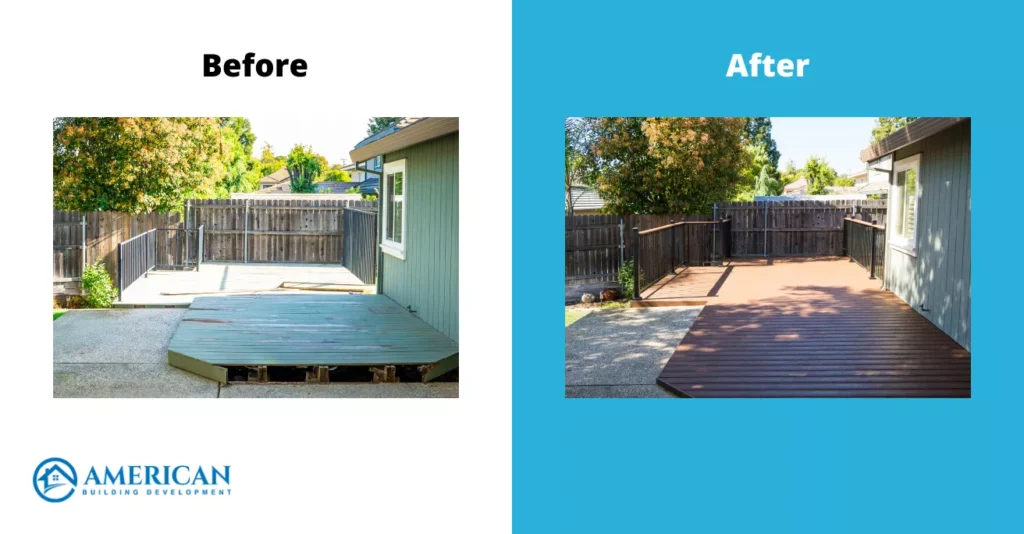
Pre-construction planning for a reliable deck
Careful planning is the difference between a deck that only looks good on day one and a deck that remains stable, comfortable, and low-maintenance for years. Before construction begins, ABD reviews the property, design goals, material options, code requirements, and long-term exposure conditions.
For example, modern homes often work well with clean lines, wide boards, hidden fasteners, and simple railing systems. Traditional homes may look better with warmer tones, classic rail profiles, picture-frame borders, and proportions that match the existing architecture.
Evaluation of site conditions
Before deck construction begins, the site needs to be evaluated for soil stability, slope, drainage, existing hardscape, irrigation, nearby trees, property access, and how the deck will attach to or stand beside the home. These details affect footing placement, framing layout, stair location, water management, and long-term structural performance.
A proper site assessment helps confirm that the deck foundation can support the expected loads and that the layout fits the property. It also helps prevent common problems such as standing water under the deck, poor stair placement, uneven framing, undersized footings, or future repairs caused by avoidable moisture exposure.
Experienced contractors know where deck failures often begin: weak ledger connections, missing flashing, shallow footings, undersized beams, improper joist spacing, incompatible fasteners, or poor drainage under the frame. Identifying these risks early helps protect the finished deck from movement, decay, and premature wear.
- Weak or unstable soil? The foundation may settle, leading to distortions.
- Incorrect slope of the site? Problems with water drainage, water stagnation, and accelerated deterioration of materials.
- Load calculations errors? The terrace sag or creaks under the weight of furniture, people, or equipment.
- Improper depth or type of footings? Insufficient structural stability and risk of cracks.
If you want to turn your yard into a space you will actually use, ABD can help you evaluate the site, compare design options, and plan a deck that fits your home, budget, and California climate. Our Sacramento deck contractors can review your project and explain the practical next steps before construction begins.
Permits, code requirements, and zoning rules
A professional deck build should start with code and permit review. Depending on the project, local requirements may affect deck height, setbacks, footing design, guardrails, stairs, ledger attachment, electrical work, privacy screens, and whether engineering is required for heavier loads or unusual layouts.
As a quick reference, homeowners should confirm whether the project requires permits, whether the deck connects to the house or is freestanding, how high it will be above grade, whether guardrails and handrails are required, and whether HOA or neighborhood rules apply.
- Permits are required if the deck is attached, higher than 30″, or expands the footprint.
- No permit needed for small, detached decks under 200 sq ft and below 30″.
- Zoning restrictions: setbacks from property lines, height limits, lot coverage.
- Structural rules: seismic safety, fire-resistant materials, proper railings, and supports.
Building without required approvals can create fines, forced corrections, inspection problems, insurance questions, or resale delays. More importantly, skipping code review can hide structural issues that affect safety long after the project is finished.
Budget, timeline, and long-term performance goals
ABD helps homeowners define a realistic budget, expected timeline, and long-term performance goals before construction begins. This includes selecting materials, planning the structural system, choosing railing and stair details, and deciding whether the deck should prioritize low maintenance, premium appearance, heavy-use durability, or future resale appeal.
A professional plan also helps homeowners understand what the finished deck will look like before work starts. That reduces changes during construction and makes it easier to align layout, materials, safety requirements, and budget from the beginning.
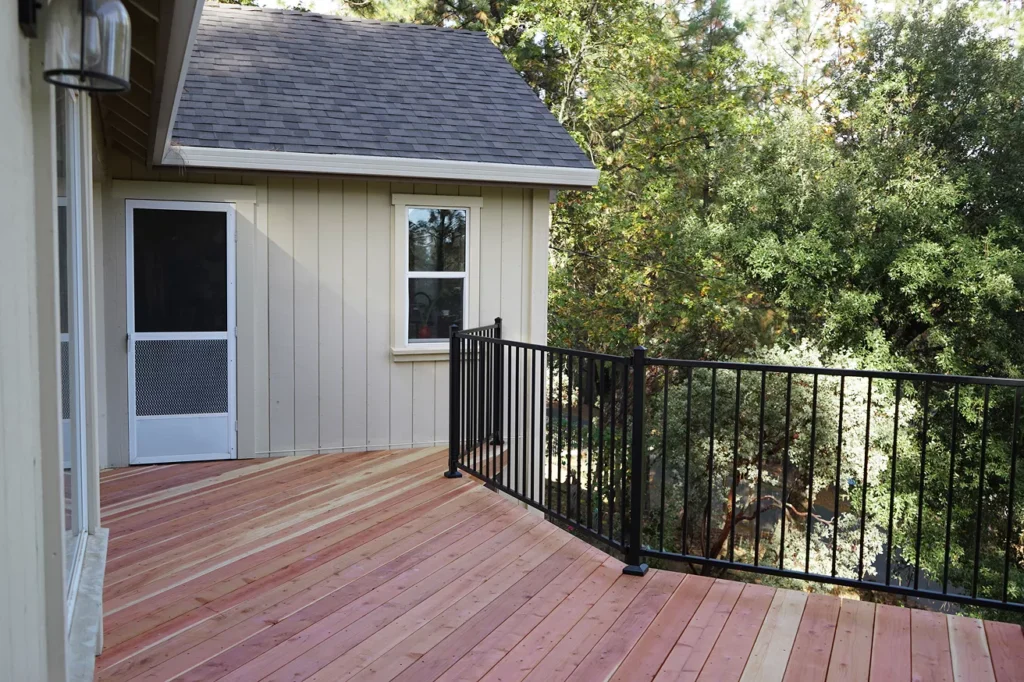
Smart design for a deck that fits your home
Homeowners are investing more in outdoor living because decks can improve both daily comfort and curb appeal. Still, the best deck design is not only about trends. It should solve practical questions: how the space will be used, how much maintenance the owner wants, how the structure handles water, and how safely people can move across stairs, railings, and transitions.
Deck integration with your home’s architecture
A deck should complement the home’s existing architecture rather than compete with it. ABD considers rooflines, siding profiles, window and door placement, trim style, exterior colors, and the shape of the yard before recommending a layout or material palette.
The goal is to create visual harmony while protecting structural performance. That means choosing attachment points carefully, planning proper flashing where the deck meets the house, and avoiding designs that trap water against siding, doors, or trim.
Functional layout and space planning
A good deck layout is planned for real use. Dining areas need enough clearance around chairs. Lounge areas need comfortable circulation. Grills need safe placement. Stairs should feel natural, not squeezed into the only leftover corner.
When creating a layout, ABD considers furniture dimensions, foot traffic, door swings, accessibility, stairs, lighting, shade, privacy, railing placement, and built-in features. A well-planned deck feels larger, safer, and easier to use because every square foot has a purpose.

Design standards for durability
A durable deck starts with design choices that manage water, sun exposure, movement, and wear. ABD helps homeowners compare wood, composite, PVC, capped composite boards, fasteners, coatings, and railing systems based on maintenance expectations, exposure level, appearance, and long-term performance.
Drainage, slope, board spacing, ventilation under the deck, and ledger flashing are especially important in areas with irrigation, shaded yards, low spots, or repeated rain exposure. Good design allows water to leave the structure instead of sitting against joists, beams, fasteners, siding, or trim.
Proven materials and structural framework
ABD helps homeowners select materials that balance appearance, strength, maintenance, budget, and climate performance. The surface boards matter, but the frame underneath is just as important for long-term safety.
We build and repair wood, redwood, PVC, composite, and capped composite decks, tailoring each system to the homeowner’s style, budget, use case, and durability expectations.
Decking materials for long-term performance
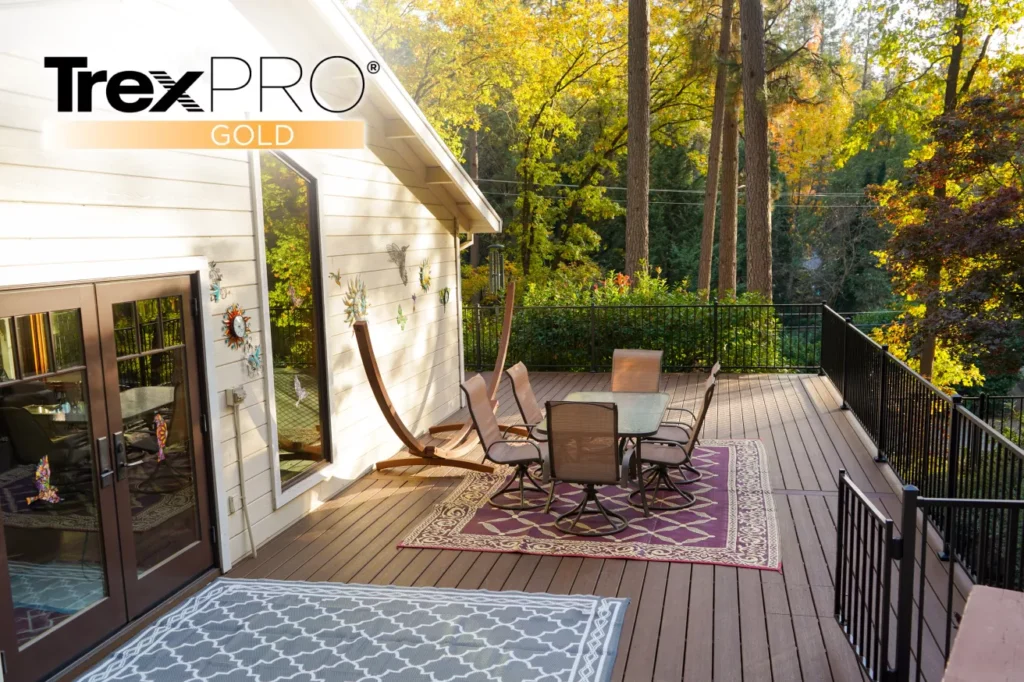
Durability and low maintenance are major priorities for many homeowners. Composite options such as Trex are designed to resist rot, insects, splitting, and frequent staining requirements, which makes them attractive for homeowners who want a cleaner maintenance routine than traditional wood. Wood and redwood can still be excellent choices, but they require more consistent sealing, staining, inspection, and moisture control.
Wondering how to build a decking surface that performs well for years? Start with the right product and follow the manufacturer’s installation requirements for joist spacing, board gapping, approved fasteners, ventilation, fascia installation, and surface cleaning. For composite projects, working with certified Trex deck contractors helps protect both appearance and warranty expectations.
ABD is experienced with Trex deck systems and understands the installation details that affect long-term performance.
That means homeowners get guidance on product selection, correct fastening, proper board spacing, clean finish details, and deck layouts designed around real use rather than guesswork.
Framing, load distribution, and structural standards
The frame determines how strong and stable the deck will be. Proper joist spacing, beam sizing, post placement, ledger attachment, blocking, bracing, and load transfer help prevent sagging, bounce, uneven boards, and structural failure. ABD uses corrosion-resistant hardware and reinforced support details where the design requires them.
For composite decking, the frame must also meet the board manufacturer’s spacing and fastening requirements. If joists are spaced incorrectly or the surface lacks proper ventilation and drainage, even premium decking can underperform.
Step-by-step deck construction: From inspection to finishing touches
Now let’s look at how to build a deck step by step. The process starts long before surface boards are installed. A durable deck begins with site evaluation, layout planning, footing placement, framing, flashing, hardware selection, and inspection at each stage.
Foundation preparation and structural layout
The foundation is the backbone of any durable deck. ABD starts by reviewing soil conditions, slope, drainage, access, sunlight exposure, nearby structures, and the planned load on the deck. This helps determine where footings should go and how the frame should transfer weight to the ground.
For many residential decks, concrete footings or approved pier systems are used based on load requirements, soil conditions, deck height, and local code. Footings must be properly sized, placed, and leveled so posts and beams can support the structure without settling or shifting.
Once the foundation layout is established, the structure is marked with string lines, laser levels, and careful measurements. Accurate alignment keeps posts, beams, and joists square and level. It also helps account for load paths in areas that may support heavy furniture, planters, outdoor kitchens, or other concentrated weight.
Framing systems and load considerations
Framing determines the deck’s strength, feel, and service life. ABD uses framing materials and structural components appropriate for the project, including pressure-treated lumber and compatible hardware designed for exterior exposure.
Joist spacing is selected based on decking material, board orientation, span, and expected load. While 16 inches on center is common for many standard applications, some products or layouts require tighter spacing, especially for diagonal boards, picture-frame borders, stairs, or heavy-use areas.
Blocking, bracing, joist hangers, post bases, beam connections, and corrosion-resistant fasteners help keep the structure rigid and reduce twisting, bowing, and movement. This is especially important outdoors, where moisture and temperature changes can stress the frame over time.
For multi-level decks, stair systems, raised platforms, and decks carrying heavier loads, additional bracing and careful load transfer are critical. These details should be planned before construction, not improvised after the frame is built.
Deck surface installation
With a solid frame in place, the decking surface can be installed. This stage affects not only appearance but also drainage, airflow, board movement, and long-term maintenance.
High-quality composite or wood boards should be installed with approved fasteners, consistent spacing, clean cuts, and correct end gaps. Precise gaps between boards allow for expansion, drainage, and airflow, helping reduce moisture buildup, cupping, warping, and trapped debris.
Transitions around posts, stairs, railings, borders, and level changes should be cut and fitted carefully. Before the surface is considered complete, every edge, joint, fastener, and board line should be checked for alignment, secure attachment, drainage clearance, and safe walking conditions.
Professional standards for safe and durable decks
A safe, well-built deck is not only about a beautiful surface. It needs a dependable structure, correct connections, moisture protection, safe stairs and railings, compatible fasteners, and routine inspection. These details help prevent avoidable accidents and extend the deck’s useful life.
Safety and deck performance standards
Deck construction should follow applicable local building codes and recognized industry standards for joist spacing, post placement, beam sizing, guardrail height, stair dimensions, handrails, ledger attachment, and load support. Requirements can vary by jurisdiction, so local review is essential before construction.
ABD uses exterior-rated materials and hardware designed to resist moisture, rot, corrosion, and daily wear. During construction, posts, beams, joists, fasteners, railings, stairs, and surface boards are checked so the finished deck is stable, level, secure, and ready for everyday use.
Common deck construction mistakes
Common deck construction mistakes include undersized or shallow footings, weak ledger attachment, missing flashing, uneven joist spacing, inadequate drainage, incompatible fasteners, poor stair geometry, and missing expansion gaps between boards. Over time, these issues can lead to sagging, rot, rust, movement, unsafe railings, or surface failure.
A methodical construction process helps prevent these problems. Laser levels, layout lines, moisture checks, measuring jigs, and staged inspections make it easier to verify every cut, connection, fastening pattern, and support point before the next layer is installed.
Professional vs. DIY: how to build a deck safely
Some minor deck repairs may be manageable for experienced homeowners, but full deck construction carries real structural, safety, and permit risks. Professional help is strongly recommended when the project involves:
1) Complex layouts, multi-level decks, raised platforms, stair systems, or heavy-load areas that may require engineered support
2) Local permit requirements, building-code review, inspection, setback rules, or HOA approvals
3) Composite, PVC, waterproof, or hidden-fastener decking systems that require exact spacing, ventilation, and approved installation methods
When ABD handles the project, homeowners do not have to guess how to build a deck correctly. Our team plans the structure, selects suitable materials, follows installation requirements, checks safety details, and delivers a finished deck designed to be functional, attractive, and easier to maintain.
Post-build tips: how to keep a deck performing well
Homeowners often ask not only how to build a decking platform, but also how to keep it safe and attractive after installation. Proper maintenance protects the investment, reduces repair costs, and helps identify small issues before they become structural problems.
Maintenance for long-term deck performance
Regular inspections help identify loose fasteners, soft wood, surface movement, rusted connectors, cracked boards, drainage problems, mildew, and early signs of rot. Homeowners should remove leaves and debris, keep gaps between boards clear, and wash the surface with cleaners appropriate for the decking material.
Wood decks typically need periodic cleaning, staining, or sealing to protect against moisture and UV exposure. Composite and PVC decks usually require less maintenance, but they still need routine cleaning and should be cared for according to the manufacturer’s instructions.

An annual deck check is a smart habit, especially before heavy seasonal use. If you notice movement, soft boards, rusted hardware, failed flashing, standing water, or signs of decay, schedule repairs early so the damage does not spread into joists, beams, stairs, railings, or the home’s exterior wall.
After-build assessment
After construction, the finished deck should be reviewed against the original plan. Traffic areas should feel comfortable, stairs and railings should be easy to use, furniture should fit as intended, and transitions between the house, deck, and yard should feel safe and natural.
A professional final walkthrough confirms that the surface, framing, railings, stairs, fasteners, and finish details meet expectations. ABD also explains care guidelines, seasonal checks, and signs that may require future attention, including moisture issues, loose hardware, or dry rot concerns near the deck structure.
Wrapping up: your backyard can work better for you
A modern deck should be a functional, safe, and attractive extension of your home. When it is planned and built correctly, it can improve everyday outdoor living, support long-term property value, and make the backyard feel more complete.
In this guide, we covered the key steps in building a durable deck: site evaluation, code review, layout planning, material selection, footing placement, framing, surface installation, safety checks, and maintenance. Each step matters because decks are exposed to weather, movement, weight, moisture, and daily use.
Want to bring your deck project to life? DIY may seem appealing, but complex deck construction can create costly mistakes when permits, footings, ledger connections, stairs, railings, drainage, and manufacturer requirements are not handled correctly. Working with experienced professionals helps protect safety, appearance, and long-term performance.
ABD can help you plan and build a decking surface that fits your home, local climate, maintenance expectations, and design goals. Contact us today and fill out a short form to get a free project estimate.
FAQ
A deck should be visually inspected at least once a year, and it is smart to check it again after heavy rain, strong wind, or unusual movement. A professional inspection should review boards, stairs, railings, posts, beams, joists, ledger attachment, flashing, fasteners, corrosion, drainage, rot, and structural movement.
Remove leaves and debris, keep gaps between boards clear, wash the surface with a material-approved cleaner, check for loose fasteners, and watch for soft spots or standing water. Wood decks usually need periodic staining or sealing, while composite and PVC decks should be maintained according to manufacturer guidelines.
Small surface repairs may be possible for experienced DIY homeowners, but full deck construction is different. If the project involves permits, raised framing, ledger attachment, stairs, railings, composite systems, waterproofing, or heavy loads, hiring a professional is safer and usually more cost-effective over time.
A well-built deck can make a home more appealing by adding usable outdoor living space, improving backyard function, and creating a stronger first impression for buyers. The best value comes from a deck that is attractive, code-aware, structurally sound, easy to maintain, and designed to match the home.