




Free On-Site Assessment, Then Transparent Pricing
Accurate pricing begins with a free on-site assessment. We inspect moisture-prone siding, trim, and fascia, open suspect areas when accessible, and document the repairs needed before preparing your estimate. The scope of siding repair in Citrus Heights should be based on the condition behind the cladding, not a curbside guess.
You receive a written, itemized estimate covering labor, materials, and preparation, with no hidden fees. Financing is available for qualified homeowners, especially when dry rot repair in Citrus Heights cannot be delayed without risking further damage to the sheathing and framing.
Book a Free Assessment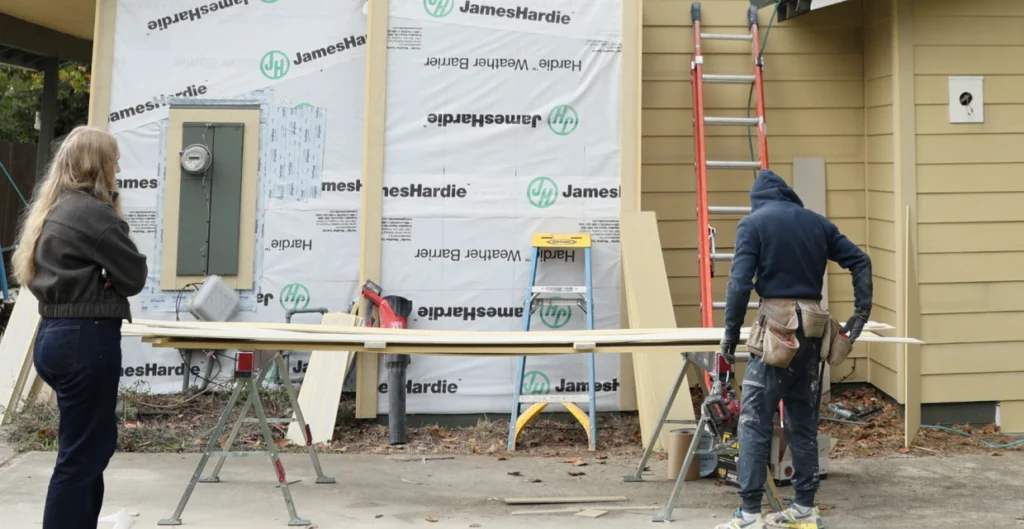
Siding Materials We Install In Citrus Heights
We install siding systems suited to Citrus Heights’ hot, dry summers and seasonal winter rain. Each material is selected based on the home’s age, exposure, architectural style, budget, and maintenance needs.
Fiber Cement Siding (James Hardie)
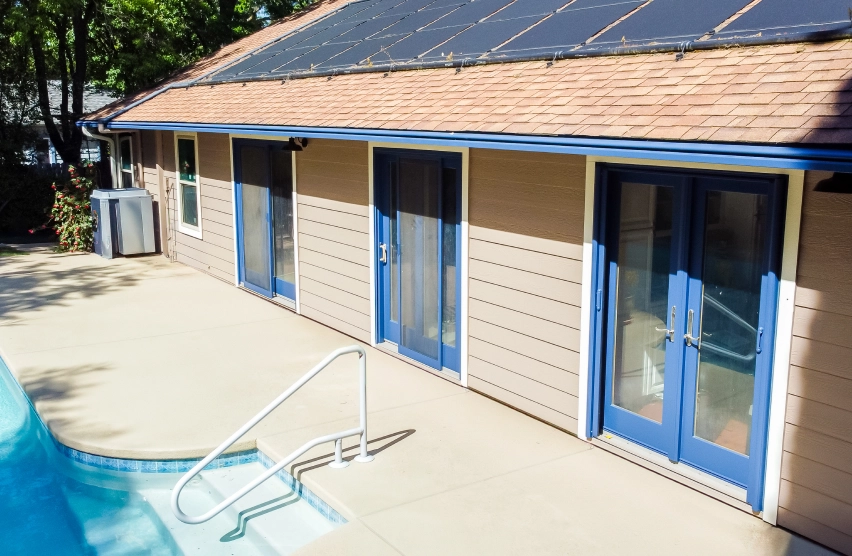
Fiber cement is our top recommendation for Citrus Heights homes. Engineered through the HardieZone® system, it resists rot, warping, and cracking through repeated heat and moisture cycles. It also offers the appearance of wood with less maintenance and typically requires less frequent repainting.
Vinyl Siding
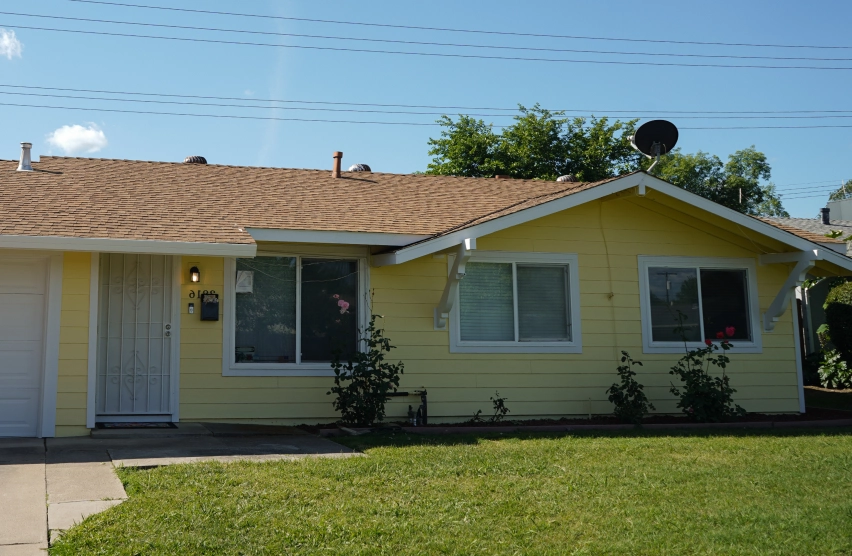
Vinyl siding is an affordable, low-maintenance option for homeowners and rental-property owners. It resists moisture and does not require repainting. While it may not provide the same long-term durability as fiber cement, it offers dependable performance at a lower upfront cost.
Wood Siding
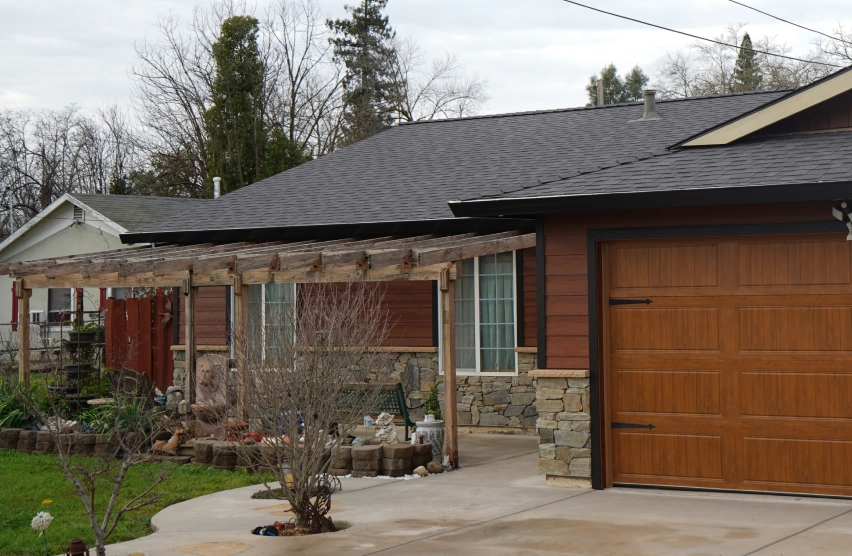
Wood siding is a strong choice for older Citrus Heights homes and properties where preserving an original architectural style is important. We pair it with proper flashing and sealing to slow the moisture damage and dry rot that wood is otherwise prone to in this climate.
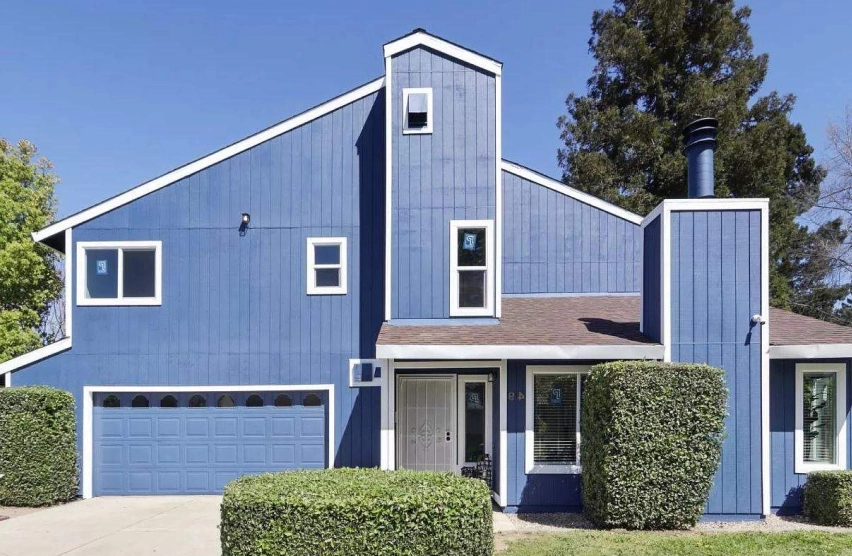
Composite & Engineered Siding
Composite and engineered siding offers the look of natural wood with far less upkeep. It’s a strong fit for homeowners who want a traditional appearance without the recurring maintenance that real wood siding demands.
Citrus Heights Homes and Neighborhoods We Serve
Most of the exterior work we do here involves the housing stock this area was built from: single-story ranch homes framed between the 1960s and the 1990s, tract houses that mix stucco fields with painted wood trim, long-held family residences, and rental homes owned by local landlords. Every scope is shaped by the age, sun exposure, and construction details of the specific house in front of us rather than a standard template.
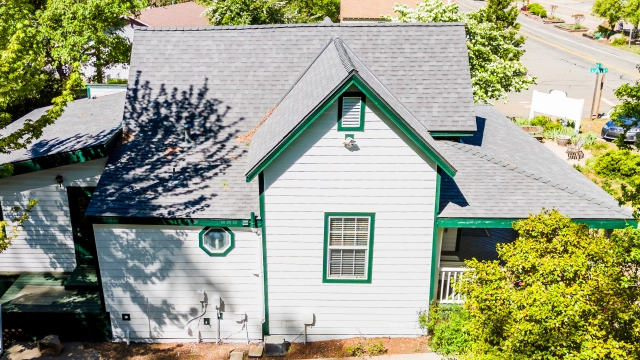
Single-Story Ranch Homes (1960s–1990s)
Many ranch-style homes built between the 1960s and 1990s have siding, trim, and fascia that have endured decades of sun and seasonal rain. We inspect vulnerable transitions and aging materials to determine what can be reinforced and what should be replaced for lasting performance.
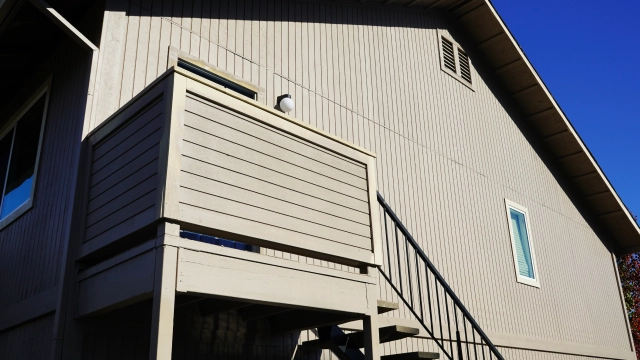
Stucco Tract Homes with Wood Trim
Stucco homes often include painted wood around windows, eaves, fascia, and gables. These materials weather differently, so we pay close attention to the wood components where peeling paint, open joints, and moisture damage are most likely to develop.
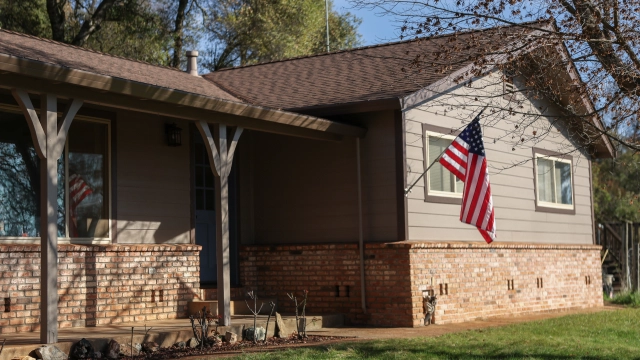
Long-Held Family Residences
Homes that have stayed in the same family for years often carry original exterior materials well past their expected lifespan. We work with owners to identify what can still be repaired versus what needs full replacement, respecting both the home’s history and the homeowner’s budget.
Rental & Investment Properties
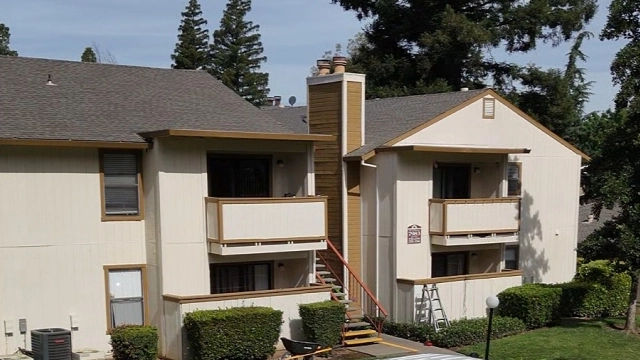
Rental-property owners often need durable exterior materials that require minimal upkeep between tenants. We recommend practical siding and finish options that protect the building, reduce recurring maintenance, and support the property’s long-term value.
Our Citrus Heights Siding Process, Step by Step
On-Site Inspection and Dry Rot Check
We walk the full perimeter of the home and inspect siding, trim, fascia, and the areas most likely to fail first – window and door openings, wall-to-roof transitions, hose bibs, and walls hit by sprinkler spray. Suspect boards get probed so we can tell surface weathering from soft, rotted wood, and we check whether moisture has reached the sheathing behind. You get a plain-language rundown of what we found and where.
Material Selection and Written Scope
Next, we settle the details: board profile, exposure, trim treatment, and color, along with which walls are being repaired versus fully re-clad. We put the agreed scope in writing so the crew, the schedule, and the material order all match what you approved. When the city requires a permit for the work, we handle that paperwork and coordinate inspection timing before anything is torn off.
Tear-Off, Repairs, and Installation
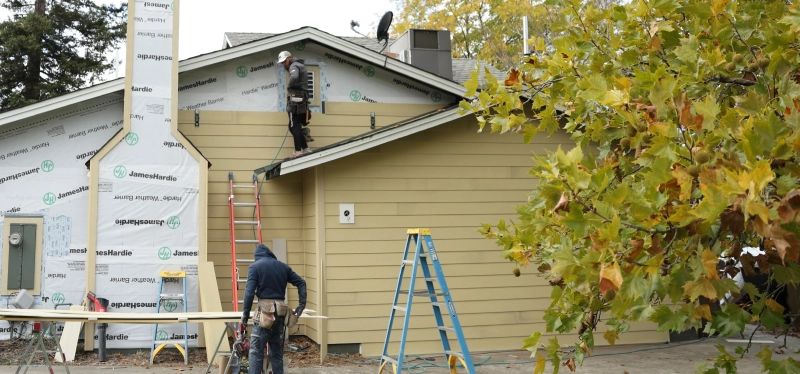
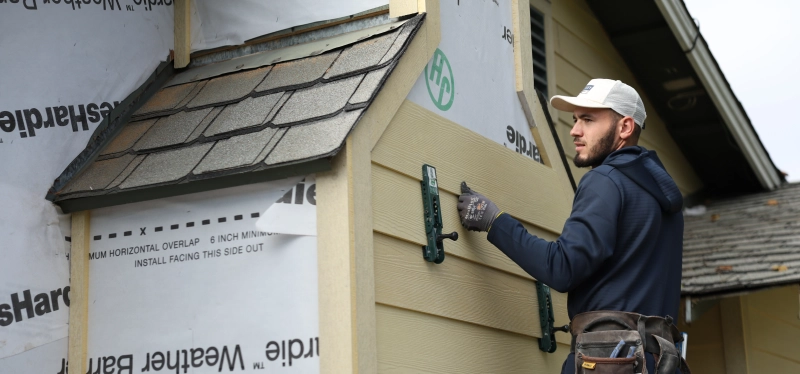
Every siding installation in Citrus Heights follows the same sequence. We protect landscaping and windows, remove the old cladding, then replace any damaged sheathing or framing we uncover before new material goes up. We install weather barrier, flashing, and trim details to manufacturer specifications, with fasteners and gaps set the way the product requires. The site gets cleaned up at the end of each working day.
Final Walkthrough and Warranty Handoff
We walk the finished exterior with you, wall by wall, and note anything that needs correcting – caulk lines, touch-up paint, trim alignment, debris. Punch-list items are closed out before we call the job done. Then we hand over your documentation: siding repair work carries a lifetime workmanship warranty, and materials such as James Hardie, Trex, LP SmartSide, and CertainTeed may include their own manufacturer warranties for you to register.
What Citrus Heights Homeowners Say About Our Work
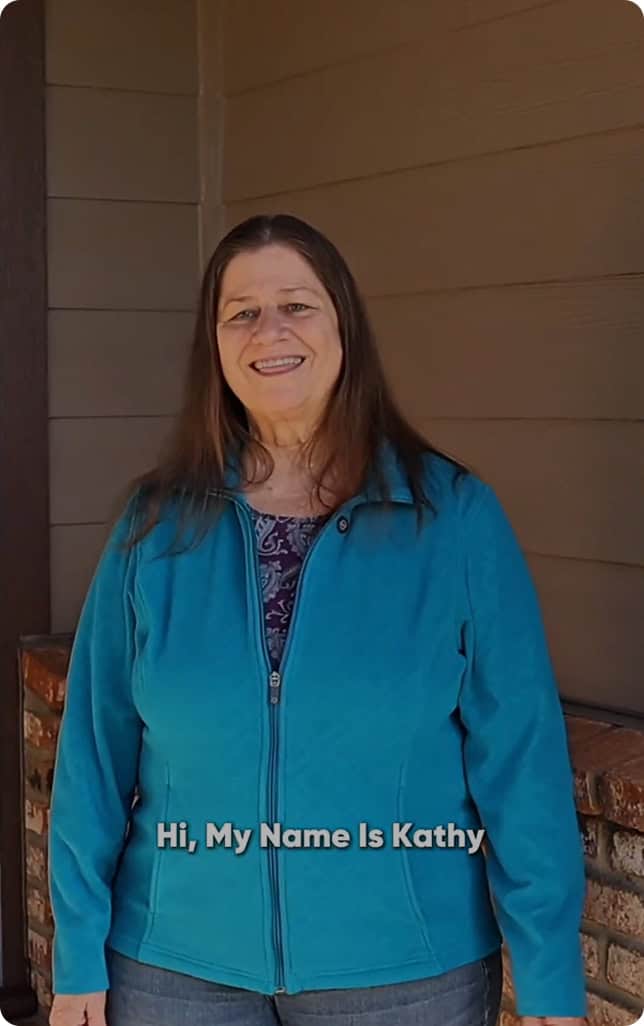
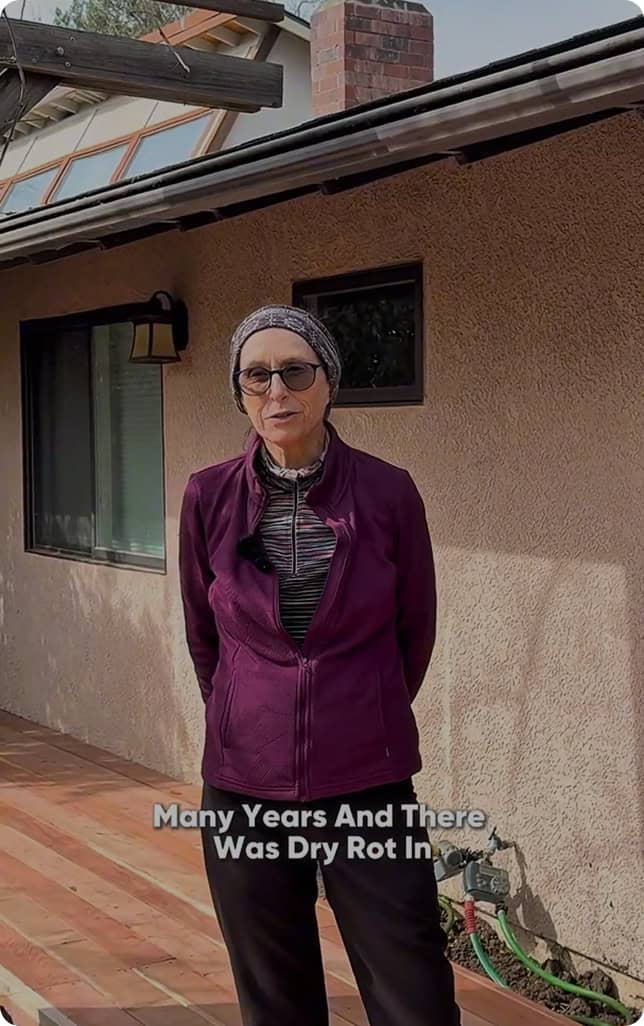
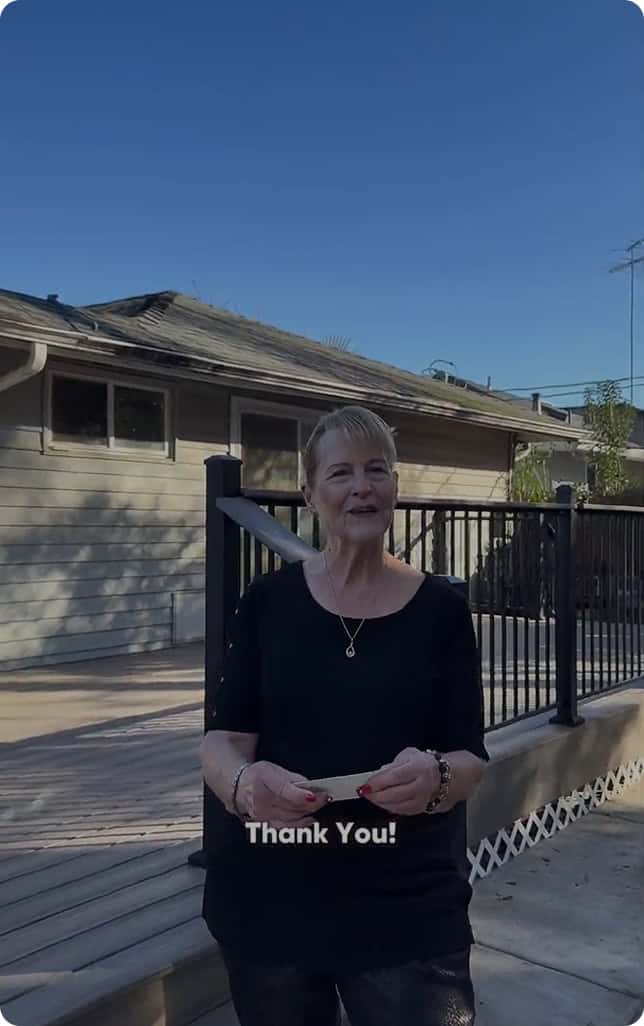
 Michael Davis The crew from ABD (American Building Development) showed up early and worked non-stop for both days. I am very happy with their craftsmanship and attention to detail. Thanks! Tambour Eller Excellent customer service and phenomenal quality craftsmanship from ABD (American Building Development). We needed repairs quickly for the sale of a home, and they went above and beyond to help us understand the nature of the comments and the methods to correct them. I highly recommend this team of great professionals! Paige Gandy The team at ABD (American Building Development) was on time, worked quickly, and had great communication with us. They handled some touch-up painting and dry rot repairs for our home.
 Why Citrus Heights Homeowners Choose ABD Team Over a Low Bid
Siding is easy to sell cheaply and hard to install correctly. Most of the failed walls we open in Citrus Heights were not ruined by weather alone – they were ruined by a crew that covered wet sheathing instead of replacing it. That gap between a low bid and a wall that lasts is what separates one siding contractor from the next.

Licensed, insured, and code-compliant work
We hold California contractor licensing and carry full insurance, and every wall we build is meant to pass inspection rather than pass a glance. That paperwork trail matters later – when you sell, refinance, or need a claim honored. Homeowners who hire an unlicensed crew keep that liability themselves.

Education before the estimate
Because we are family-run, the person explaining your options is the one accountable for the result. We walk you through what we found, what has to be replaced, and what can be left alone, then let you decide. If a targeted repair is the honest answer instead of a full replacement, we say so.

Where cheap bids quietly cut corners
Low bids often leave out critical work behind the siding, such as proper flashing, weather-barrier repairs, correct fasteners, or damaged sheathing replacement. ABD Team includes these details in the scope to help prevent moisture problems and protect the life of your siding.

Warranty coverage that stays worth something
Warranty coverage depends on proper installation and a contractor who stands behind the work. We document the scope, photograph substrate repairs, and follow published manufacturer instructions to help protect your warranty.

Materials matched to the local climate
Citrus Heights sees hot, dry summers and wet winters back-to-back, and cheaper materials expand, warp, or absorb moisture under that cycle faster than they should. We install James Hardie fiber cement engineered for this climate zone, so the wall behind the paint stays flat and sealed instead of working itself loose season after season.

Nothing is “done” until it passes our own inspection first
A crew that’s chasing the next job signs off the moment the last board goes up. We don’t call a project complete until it’s been checked against the original scope – fasteners, flashing, caulking, and finish – by someone other than the installer.







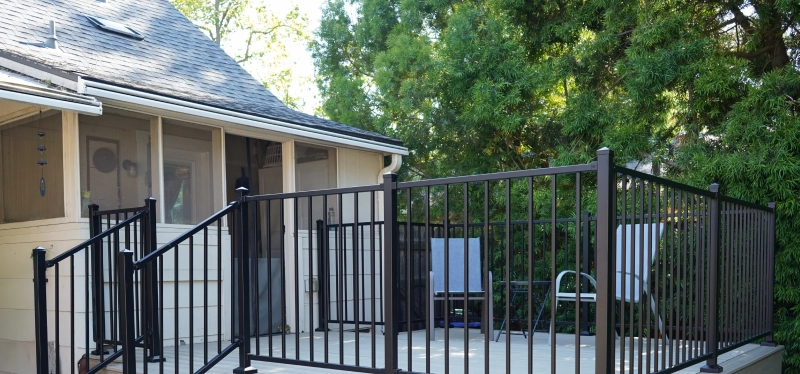
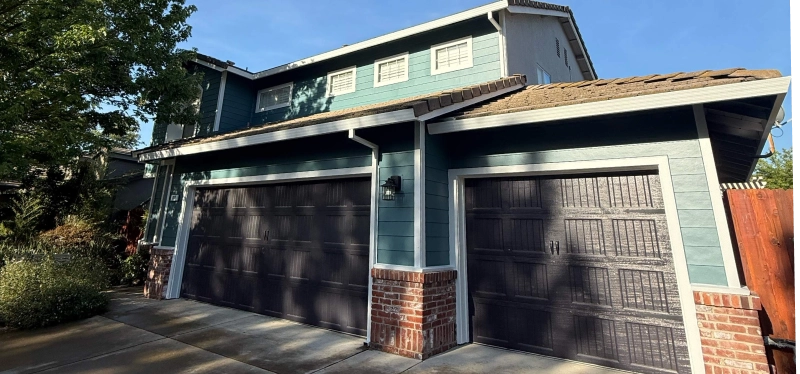
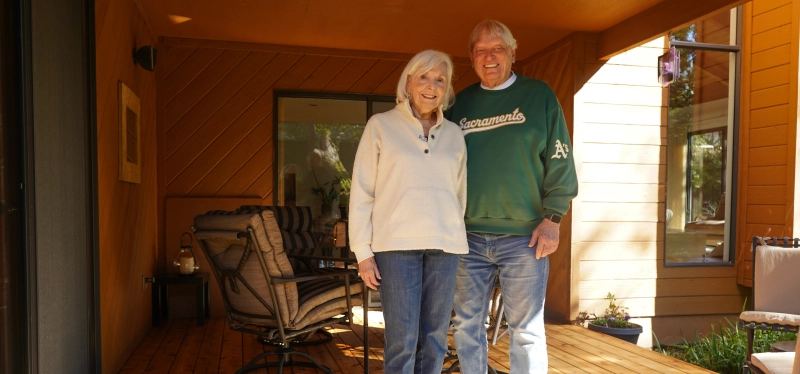
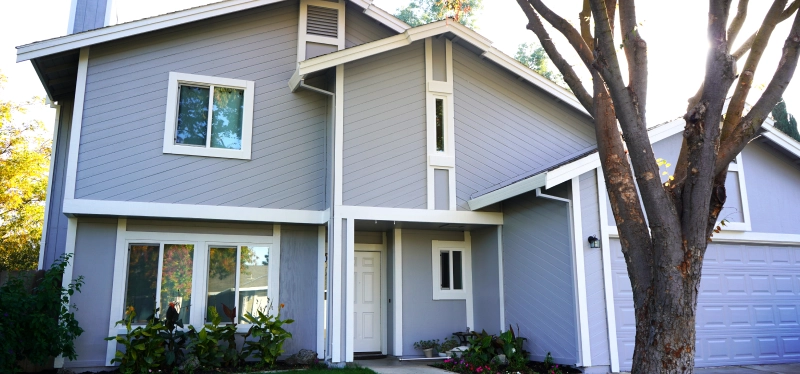
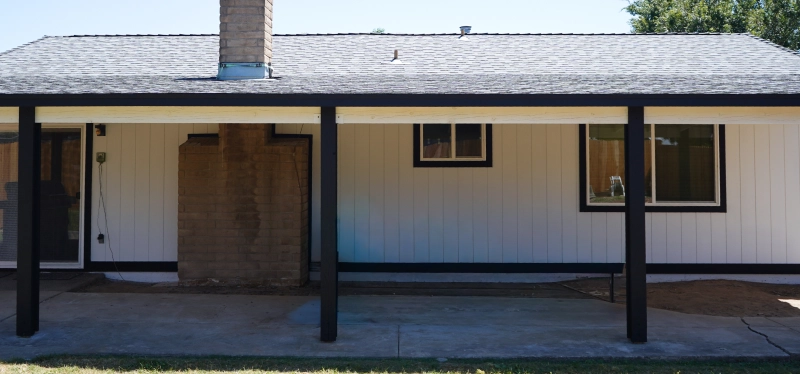
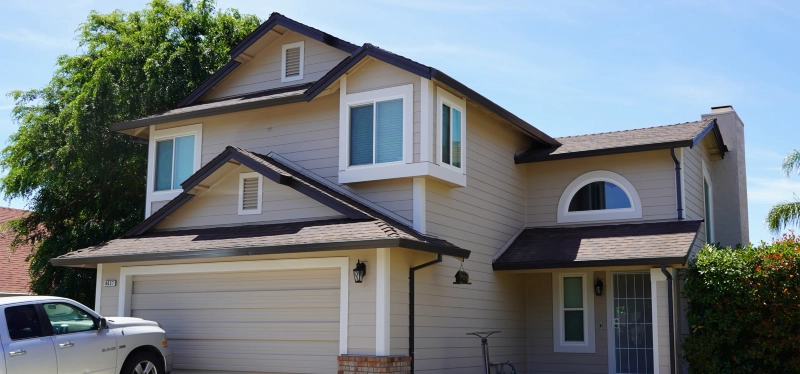
Completed Siding Projects in Citrus Heights and Nearby Neighborhoods

What Actually Drives Your Siding Cost in Citrus Heights
Before & After
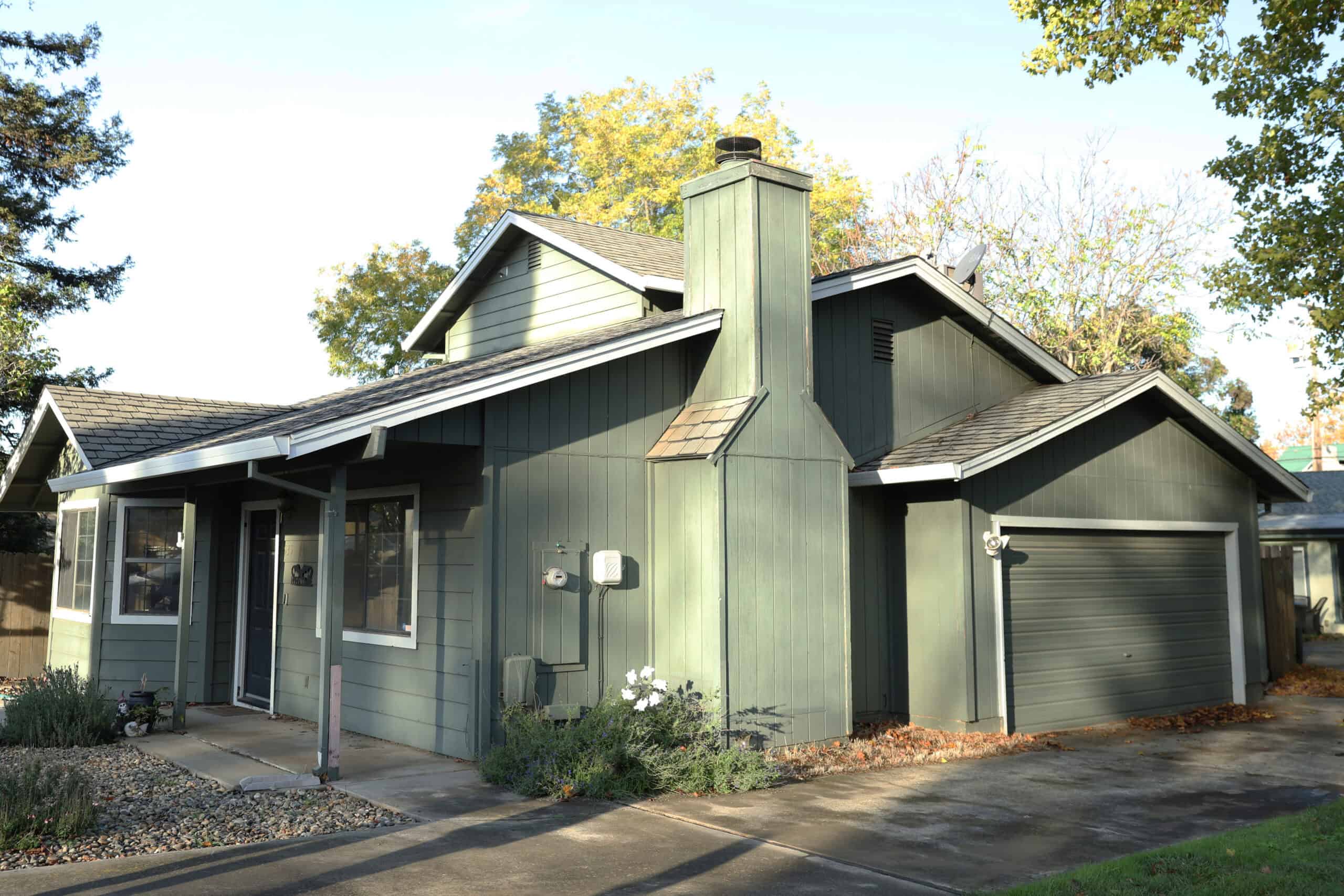
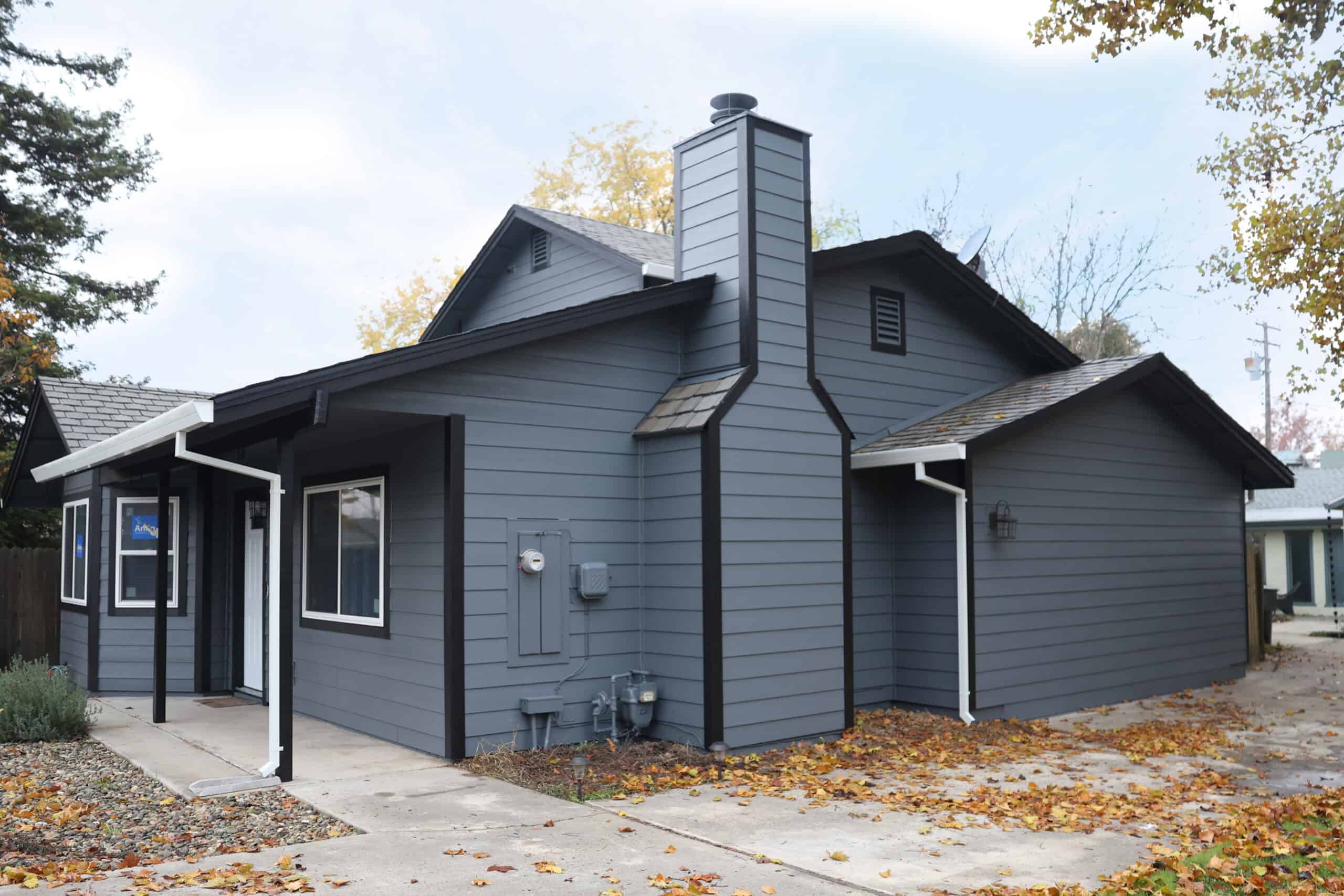

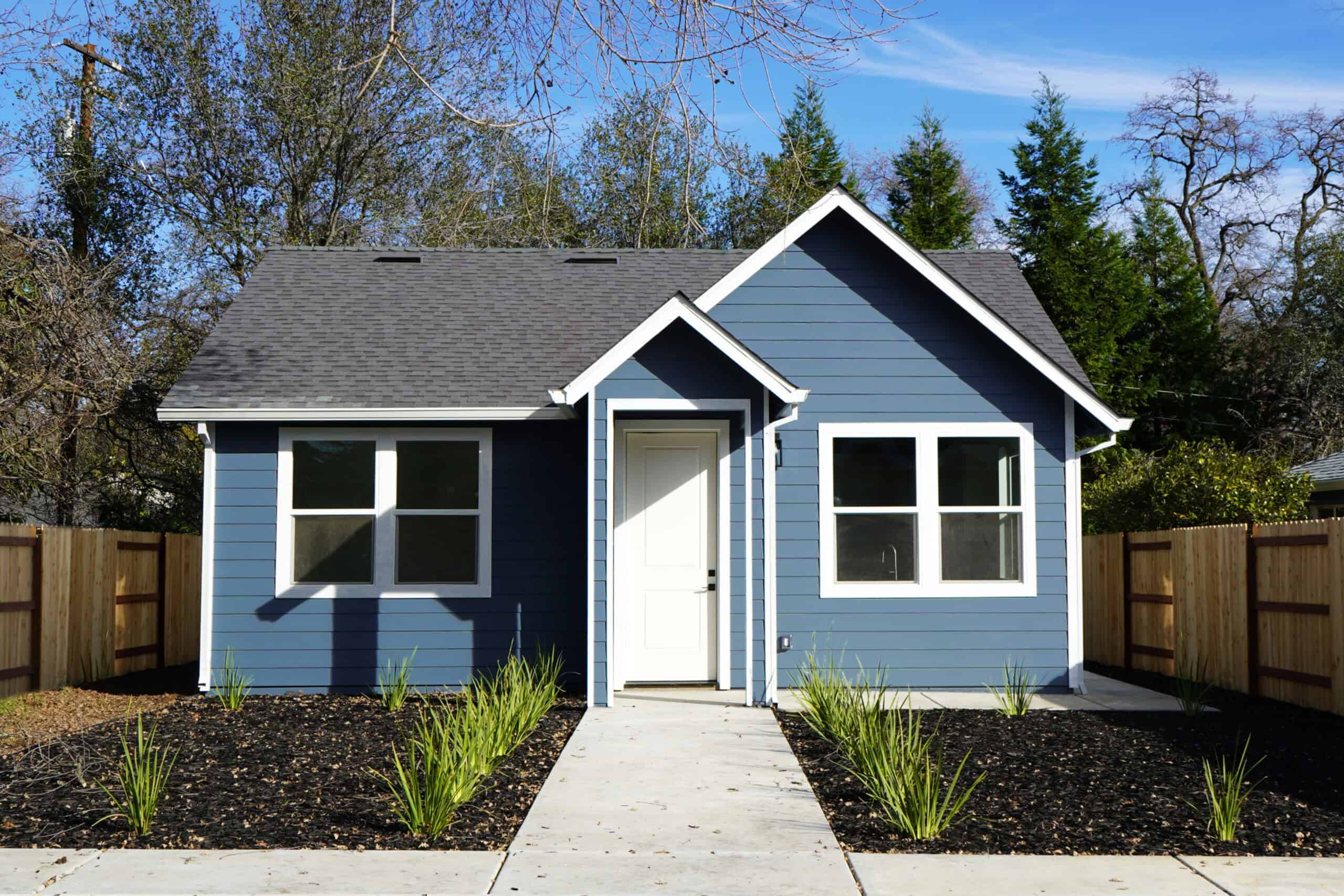
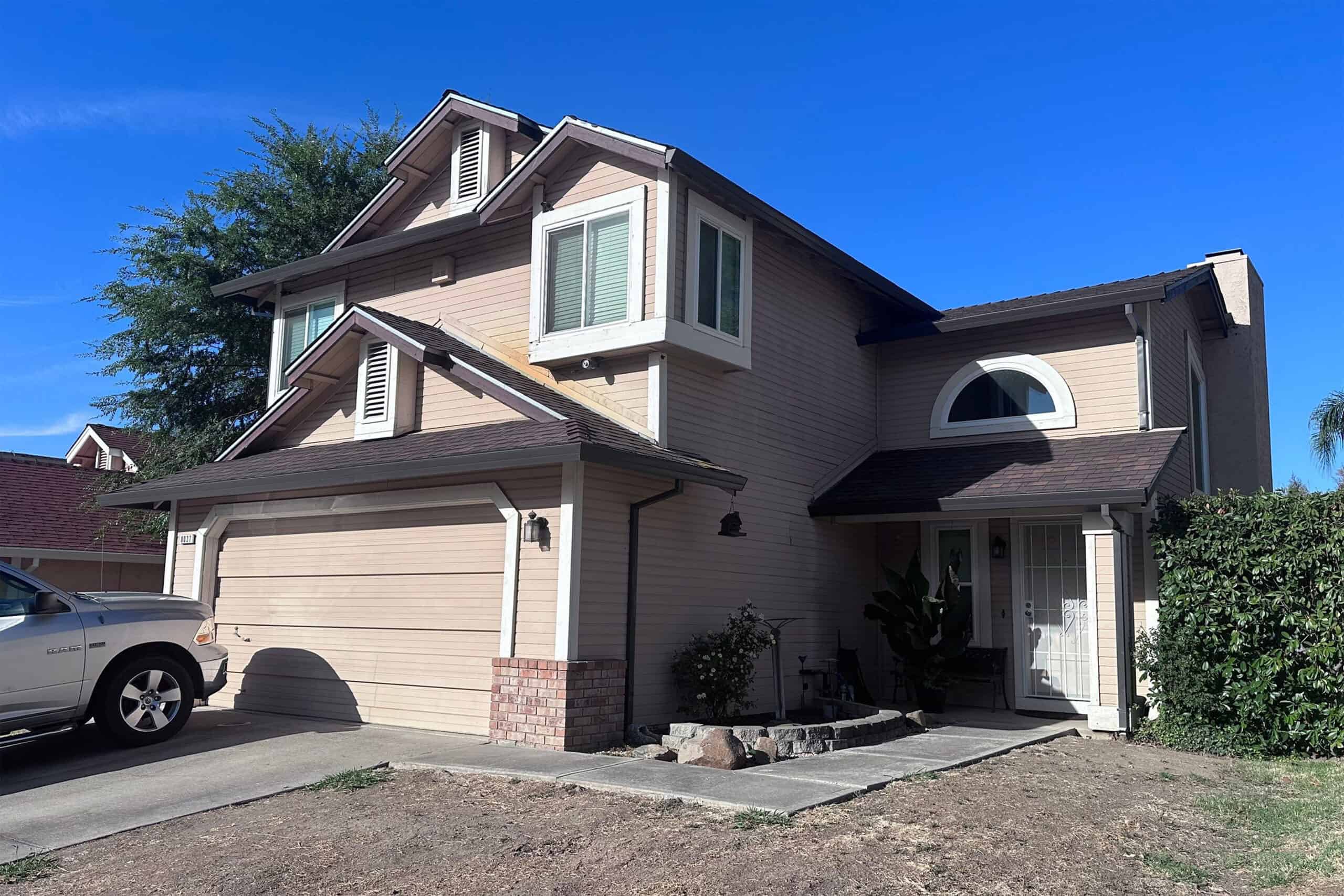

Siding Before and After on Citrus Heights Homes
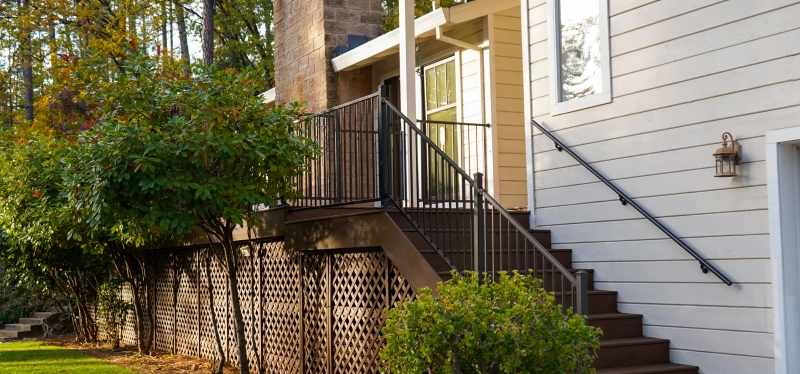
Each photo pair shows the same wall before and after repairs – from cracked siding, swollen joints, and hidden rot to sound sheathing, proper flashing, and finished siding. The before photos reveal damage that may not be visible from the exterior and can significantly affect the cost of siding installation in Citrus Heights.
Pricing depends on the amount and height of the wall area, material choice, access, and hidden damage. Two-story walls, tight side yards, mature landscaping, and deteriorated sheathing or framing require additional labor and preparation. Vinyl is typically the lower-cost option, while fiber cement and engineered siding generally carry a higher upfront price.
What Citrus Heights Homeowners Say About Our Work
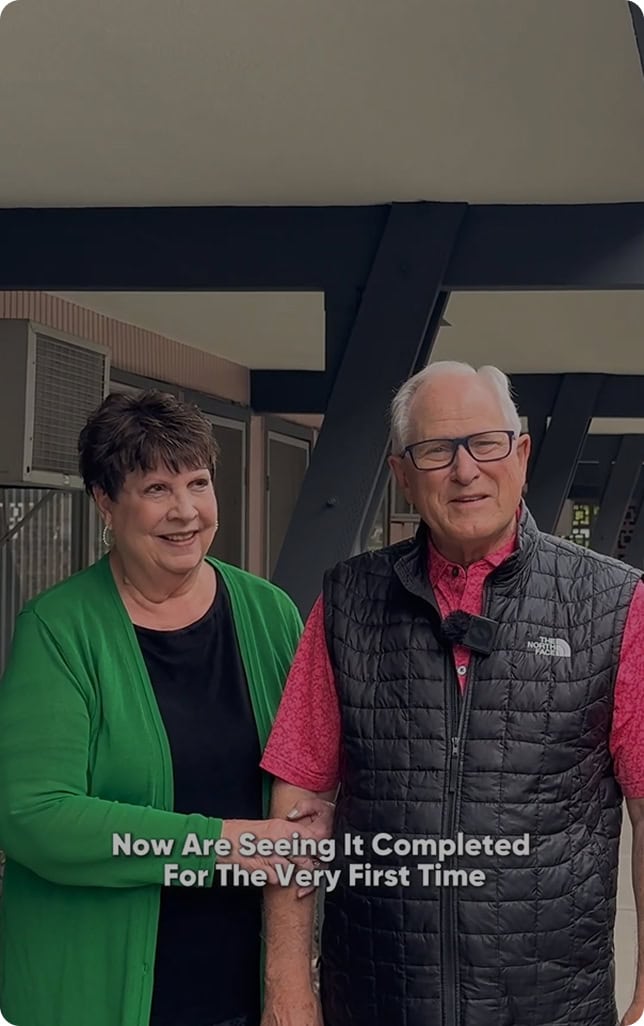
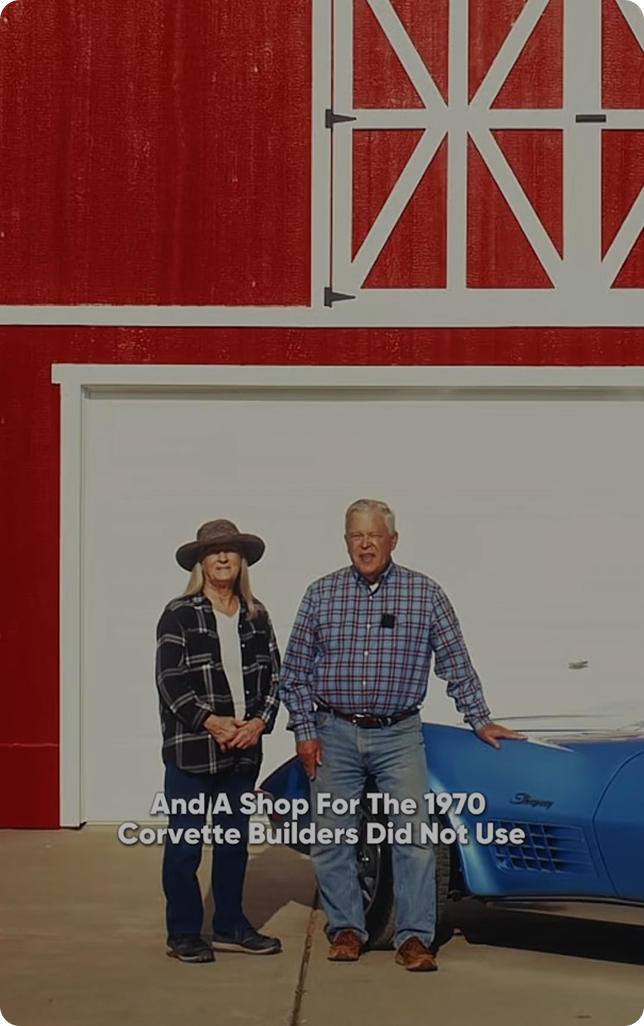
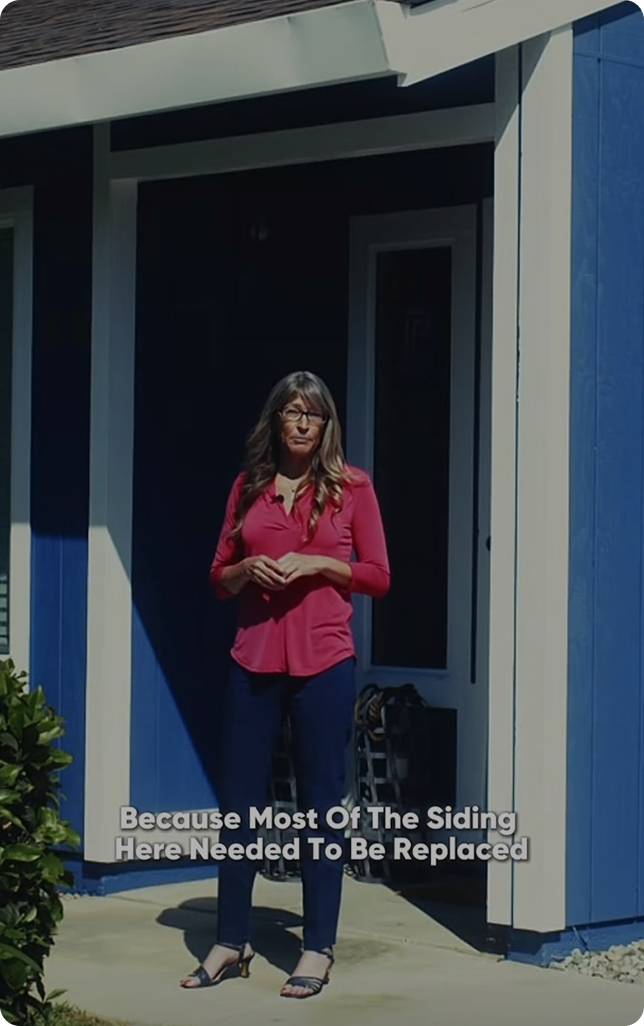
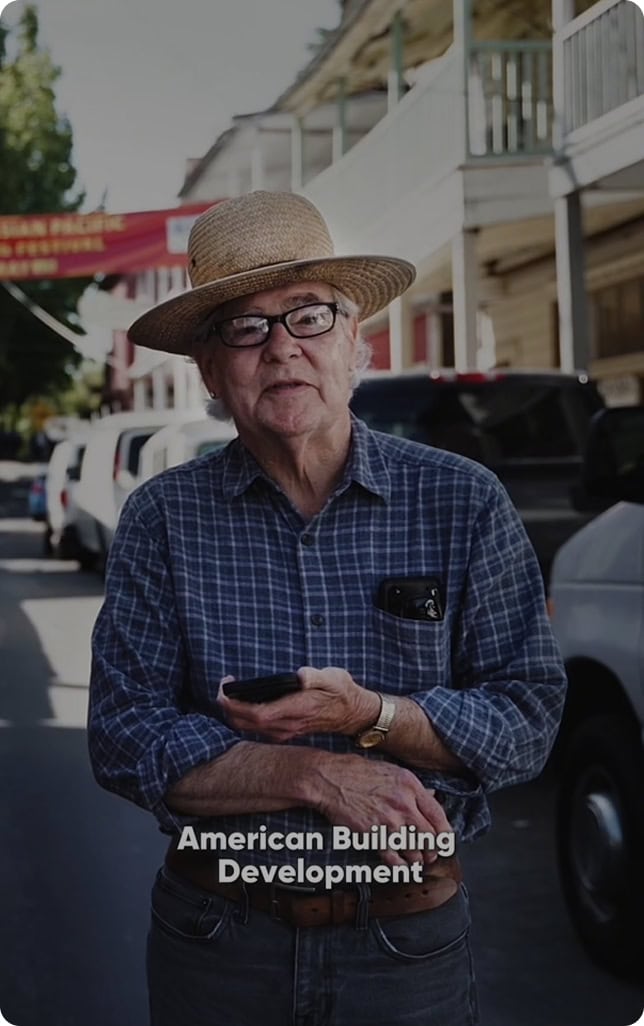
Citrus Heights Siding Questions, Answered
Working With a Repair-First Siding Contractor in Citrus Heights
Siding work on a Citrus Heights home should begin with the condition of the walls, not an automatic quote for full replacement. Our repair-first approach is simple: inspect the damage, show you what we find, explain the options clearly, and recommend the smallest scope that provides a lasting solution.
Schedule Your Free On-Site Estimate
For a straightforward assessment of your siding, schedule a free on-site estimate. We will walk the property with you, inspect the areas of concern, and provide a written scope before scheduling any work.
Call our Sacramento office at 916-969-7475 to choose a convenient appointment time.