A visual check, followed by a gentle press test, can help you tell whether siding damage is cosmetic or extends beneath the surface. Fading, chalking, hairline cracks, and small scuffs often sit on the surface and may not require immediate repair. Softness, sponginess, warping, bubbling paint, or a musty smell near the wall may indicate that water has reached the material behind the siding.
That distinction matters more in Northern California than most places. Wind-driven winter rain in Sacramento and the foothills can exploit gaps opened by cracked boards, separated seams, or weathered exterior materials. Once water gets behind the siding, it can damage sheathing, insulation, and other parts of the wall assembly.
A homeowner in Roseville, staring at a split board below a second-story window, cannot reliably tell from the driveway whether the issue stops at the surface.
So where do you start? By learning which signs point to cosmetic wear and which suggest underlying damage.
Siding Damage: Cosmetic vs. Underlying Signs
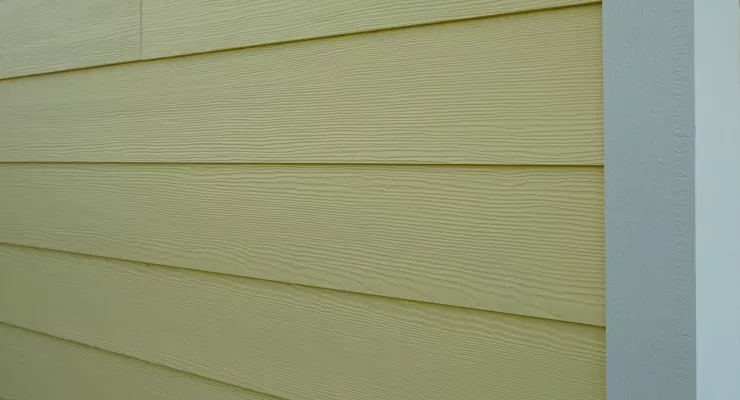
Cosmetic siding damage is generally limited to the surface. Fading and discoloration, minor surface cracks (hairline), chalky paint or coating residue, and small dents and scuffs all sit atop a board that’s still doing its job – common on sun-beaten vinyl siding and older fiber-cement siding facing south or west.
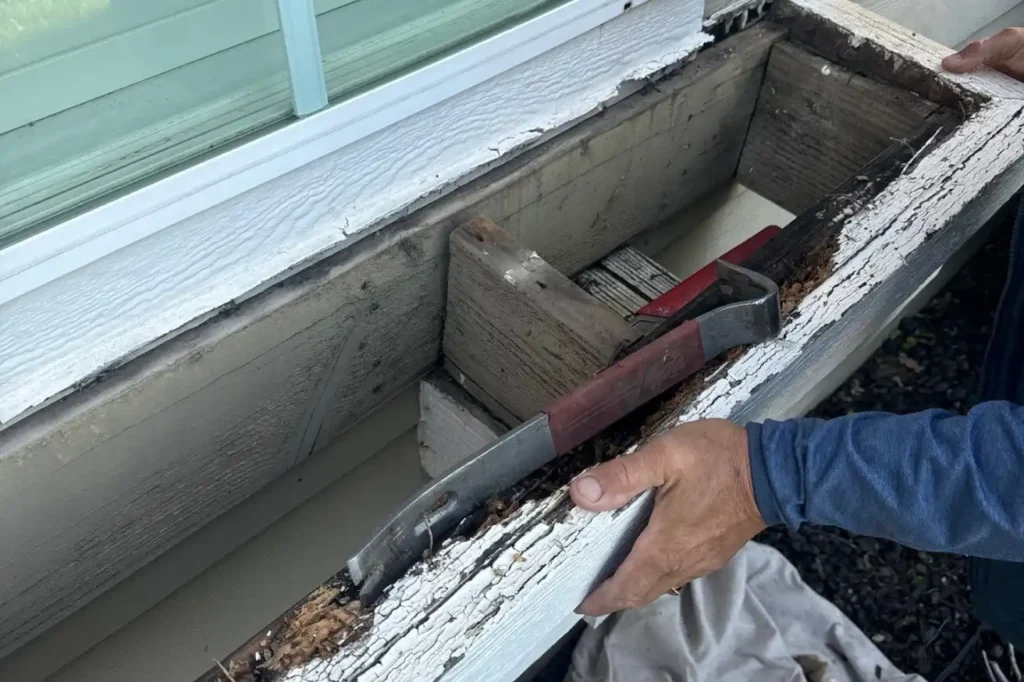
Underlying damage extends into the siding material itself or into the wall assembly behind it. Soft or spongy boards, warping, panels pulling away from the wall, bubbling paint, visible rot, a mold or mildew smell, and movement when gently pressed all deserve closer inspection.
Hail and wind damage require extra attention because the visible impact can look minor while the actual opening is easy to miss. Hail can crack or puncture a board, while strong wind can loosen panel edges or split seams. Check impact marks, corners, laps, and seams closely, and gently press around the damaged area to see whether the material remains firm.
| Attribute | Cosmetic damage | Underlying damage |
|---|---|---|
| What you see | Fading, chalking, hairline cracks, small scuffs | Soft spots, warping, bubbling paint, separated panels |
| What it means | Surface wear while the board remains intact | Moisture intrusion or deterioration may be present behind the surface |
| Urgency | Monitor and maintain | Inspect promptly |
| Typical fix | Clean, repaint, or spot repair | Open the affected area and replace damaged material as needed |
But even a clean visual check has a blind spot – here’s why.
Why Cosmetic Damage Can Hide Underlying Problems
Siding is designed to help keep water out of the wall assembly. A cracked, warped, or seam-separated panel breaks that barrier, and Northern California’s wind-driven winter rain finds hairline gaps. The problem is that hidden deterioration often becomes visible only after part of the siding is removed, and the material beneath is inspected.
Once water reaches the sheathing or insulation, it causes deterioration that often remains hidden until the siding is opened. The visible crack and the actual damaged area are not always in the same place because water can travel behind the siding before collecting lower down or around framing and openings.
Picture a split board beneath a second-story window in Roseville. From the ground, the damage may appear to be limited to one panel. Behind it, however, water can soak the sheathing and insulation, creating conditions for rot and mold growth.
Additional wet seasons give that moisture more time to spread through the surrounding materials. Inspecting the area promptly helps determine how far the damage extends before a localized repair becomes a larger wall repair.
Siding damage repair starts with the substrate, not with the visible surface. If rot has reached the sheathing, the decayed material needs to be removed before the exterior is closed back up. Covering deteriorated wood with a patch, caulk, or new siding does not solve the underlying problem.
Proper dry rot repair removes the damaged material first and rebuilds the affected area on a sound base. Because the exterior appearance does not always show what is happening behind the siding, a hands-on inspection is more reliable than judging the wall from the curb.
What to Do Before Calling a Contractor
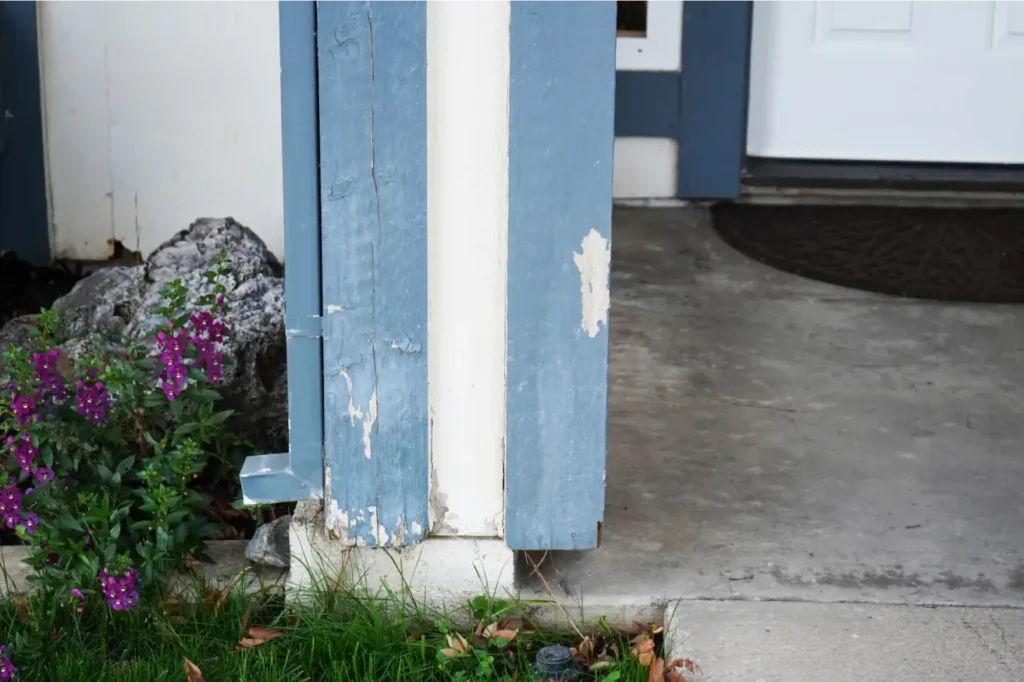
Give yourself enough time to walk the full perimeter of the house. This preliminary check can help you decide whether the issue appears to be surface-level or requires professional inspection, but it cannot confirm the condition behind the siding.
Press on boards with your thumb, especially anything that looks warped or stained. Any unusual give or sponginess may indicate moisture intrusion, deterioration, or a problem with the siding material or installation.
Check vulnerable spots near windows, doors, and ground level next – those are where water collects and flashing fails. Then look for paint bubbling or a musty smell near the wall, and check seams and panel edges for signs of separation. A credit card that slides into a gap is worth noting.
Write down what you find and where. When quotes come in, be cautious of budget repairs that patch over rot rather than removing it – caulking or painting over decayed material does not address the underlying problem and can lead to recurring damage and additional repair costs.
For example, if a Citrus Heights homeowner finds two soft spots after a January windstorm, that is the point to schedule a siding inspection rather than guess at the extent of the damage.
Ready for a straight answer on professional siding repair? Get a FREE Estimate.
Here’s what that inspection process actually looks like when we’re the ones doing it.
What We See on Sacramento Siding Inspections
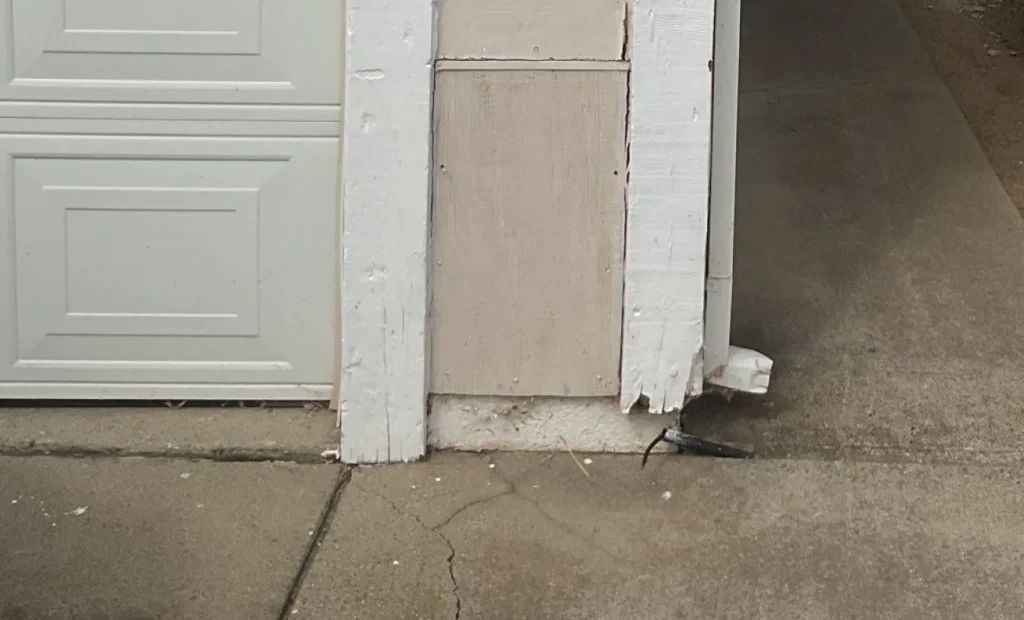
The visible crack is not always the whole story. During siding inspections in Sacramento, Auburn, and surrounding areas, homeowners often judge siding damage by how it looks rather than what’s underneath.
A cracked board catches your eye. But the soft sheathing usually turns up a foot or two away, behind a panel that still looks perfectly fine from the ground.
Why does that happen? Water does not always remain near its point of entry. It can travel behind the siding or along the weather-resistant barrier before collecting near framing, blocking, or window openings so that deterioration may appear away from the original gap.
That’s why the on-site methods matter – press-testing boards for give, checking flashing around window and door heads for trapped moisture, and, when the answer isn’t clear, opening a small section to look at the substrate directly.
An Auburn homeowner with one split board may need only a localized repair, but the extent cannot be confirmed until the material behind it is inspected. That check is what separates a targeted siding repair from a full siding replacement.
Final Thoughts & Next Steps
The main question is not simply whether damaged siding looks bad. It is whether the problem stops at the surface. Fading, chalking, and light scuffs can usually be monitored, while soft boards, recurring bubbling paint, separated seams, warping, or musty odors deserve closer inspection.
If your walk-around finds only surface wear, document it and keep an eye on the area through the next wet season. If you find softness, open seams, recurring moisture symptoms, or storm damage that has broken the siding’s exterior barrier, schedule an inspection before more rain reaches the wall assembly.
Bring specific notes when you speak with a contractor – for example, “soft spot below the west-facing bedroom window” – so they can focus the inspection on the areas that concern you.
You can also browse completed exterior projects to see examples of targeted repairs and larger exterior restoration work, or visit the exterior remodeling blog for more information about dry rot, flashing, siding materials, and exterior maintenance.
If you want to know whether the damage is cosmetic or extends beneath the siding, contact ABD Exteriors for a Free Estimate.
FAQ
Cosmetic signs include fading, chalking, hairline cracks, and small dents or scuffs. Signs of underlying damage include soft or spongy boards, warping, panels pulling away from the wall, bubbling paint, a musty smell, visible rot, or movement when you gently press the siding.
Localized cosmetic damage or a small area of confirmed underlying damage may be repairable. Widespread rot, several affected panels, or recurring repairs point toward replacement. A hands-on inspection confirms which you’re dealing with.
Small, isolated dry rot that hasn’t reached the framing can often be repaired. Once rot spreads into large sections or structural framing, replacement is usually needed. A contractor can confirm the depth during inspection.
Coverage depends on the policy and the cause of the damage. Sudden storm-related damage may be covered, while age-related wear, maintenance issues, and long-term moisture intrusion are commonly excluded. Review your policy, document the damage, and contact your insurer before assuming the repair is covered.
Replacement is worth considering when damage is widespread, the siding is near the end of its service life, matching materials are unavailable, or repairs keep recurring. For isolated, confirmed minor damage, a targeted repair may be the more practical option.