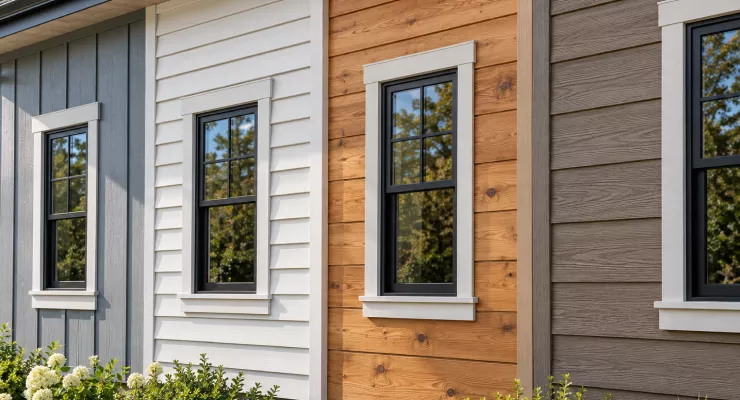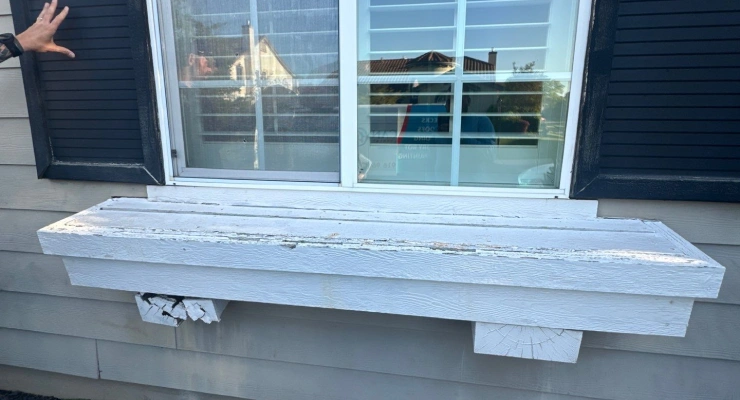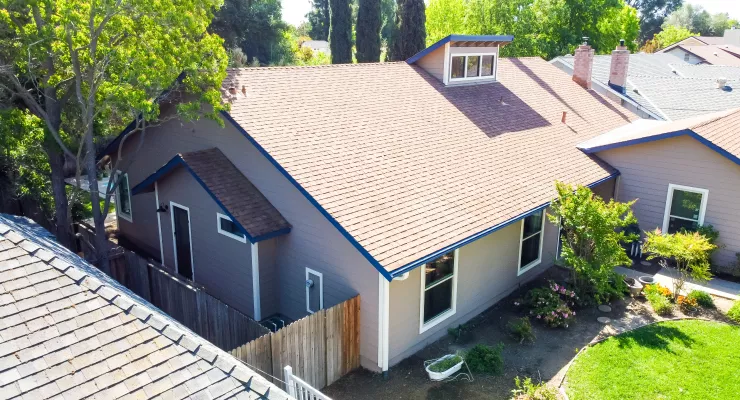
Deciding between siding repair vs replacement usually comes down to three things: how much is damaged, how old your siding is, and whether the same problem keeps coming back. If the damage is isolated and cosmetic, a repair holds up fine. Once it spreads, or the siding is nearing the end of its life, replacement becomes the smarter long-term move.
Sacramento’s wet-winter, dry-summer swing complicates that call, though. Moisture sneaks behind aging caulk and boards over the winter months, and then summer heat bakes the surface, hiding the rot underneath. A cracked panel near a window can look like a $400 fix – and open into a whole wall section once the siding actually comes off.
You don’t need to guess, though. The signs are readable if you know where to look. Let’s start with the quick decision rules.
Repair Or Replace? The Quick Answer
Here’s the short version. If the damage is isolated, cosmetic, or recent, repair is usually the right approach. Think one cracked panel, a dinged section from a stray branch, or minor fading on a wall that takes brutal afternoon sun.
Once damage spreads or siding wears out, though, patching delays the inevitable. Many contractors use the 20-30% rule: when damaged siding covers roughly 20 to 30 percent of your exterior, a full siding replacement is preferable to another round of repairs. Treat it as a rule of thumb, not gospel. Age matters too. Most siding lasts 20-30+ years, so siding near the end of its lifespan makes repair a short-term fix at best. Keep patching the same spot? That’s a red flag that moisture is winning.
So siding repair vs replacement comes down to three things: how much is affected, how old it is, and whether the problem keeps returning. Not sure where your home falls? Our Sacramento siding services team can size up damage in person.
Signs Your Siding Can Likely Be Repaired
Some damage looks worse than it is. When trouble stays confined to one or two spots and the wall behind it is dry and solid, repair usually gets the job done.
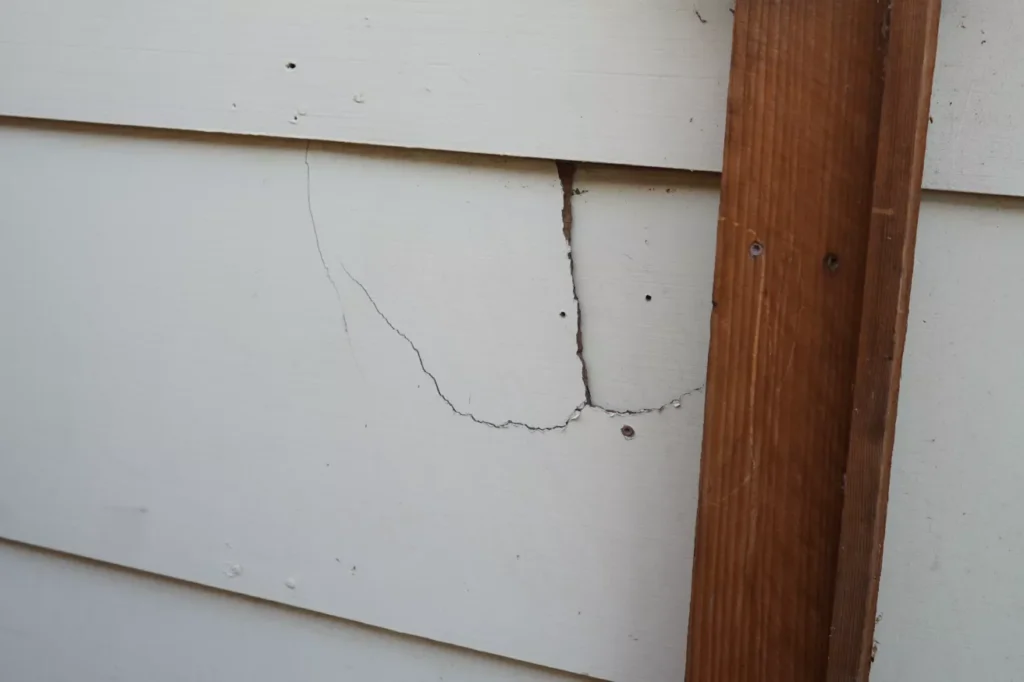
Small, isolated cracks are the classic example. A hairline split in a single panel, with no moisture sneaking behind it, is straightforward cracked siding repair – not a reason to re-side the whole house. Isolated warping is another good candidate, especially when it’s installation-related. If panels were nailed too tightly and buckled during a hot Sacramento summer, warped siding repair can be as simple as loosening and resecuring them. No new material needed.
Minor fading falls in the same bucket. On a west-facing wall taking years of afternoon sun, faded color is cosmetic and doesn’t threaten what’s underneath. Then there’s impact damage. One or two panels dinged by hail or a stray branch? Those swap out individually, particularly with vinyl.
The common thread in the siding repair vs siding replacement call is a sound layer beneath the surface. If the substrate’s intact, professional siding repair protects your home without the bigger investment.
But once damage moves beyond a panel or two, the signs point in a very different direction.
Signs You Need Full Siding Replacement
Some problems don’t stay in one spot. When damage shows up across multiple walls, you’re past the point where a patch makes sense.
Repeated repairs are the clearest tell. If you keep fixing, repainting, or swapping the same section every few years, those costs pile up fast, and replacement becomes the smarter play.
Age is next. Siding older than 20-30 years is usually near the end of its life, so knowing when to replace siding often comes down to the calendar as much as anything else.
Then the physical stuff. Sagging or panels pulling away indicates that fasteners and materials are failing. Rising energy bills point to gaps letting conditioned air escape. Want to know how to tell if siding needs replacing before you call anyone? Run a self-check:
- Press panels firmly and note soft, spongy spots
- Scan walls for gaps, sagging, or lifting panels
- Count repairs to the same spot
Multiple spongy spots are one of the clearest signs that moisture has reached the substrate beneath your siding. If you’re noticing several warning signs at once, such as soft areas, cracks, or warping, replacing the siding is often a better long-term solution than making another repair. Two of the most common causes are dry rot and moisture intrusion, both of which can spread if left untreated.
Dry Rot And Moisture Damage: Repair Or Replace?
Dry rot rarely stays where you can see it. Sacramento’s wet winters push moisture behind aging caulk and boards, then dry summers hide the slow decay underneath.
Ever pressed on a siding board and felt it give? That’s often a sign of hidden moisture damage. Experienced dry rot damage and repair contractors near Auburn can inspect the affected area, identify how far the damage has spread, and recommend the right solution – whether that’s a localized repair or full siding replacement.
The trouble is the hidden extent. A seemingly small soft spot can reveal widespread deterioration once the siding comes off, which is why so many dry rot siding repair calls turn into bigger jobs than expected.
Location matters too. Older homes in East Sacramento, Curtis Park, and Midtown are dry-rot hotspots, since decades-old materials and failed caulking let water creep in. In Greenhaven and Land Park, gutter overflow running down fascia and siding is a common culprit.
Siding Repair vs Replacement Cost in Sacramento
Money usually decides the call, so here are real numbers. Patch jobs run small: siding repair costs average around $920, with most falling well under full replacement cost, though larger repair jobs can run considerably higher depending on damage.
Material affects both repair and replacement costs. Repair prices typically range from $2-$4 per sq. ft. for vinyl, $4-$12 for wood, and $3-$12 for fiber cement.
For full replacement, installed prices per square foot of exterior wall area are $9.88 for vinyl, $11.44 for James Hardie fiber cement, $11.71 for LP SmartSide engineered wood, and $14.52 for natural wood. Premium products such as James Hardie Artisan run about $24.91 per square foot. These prices already include removal of the existing siding and weather-resistant barrier installation.
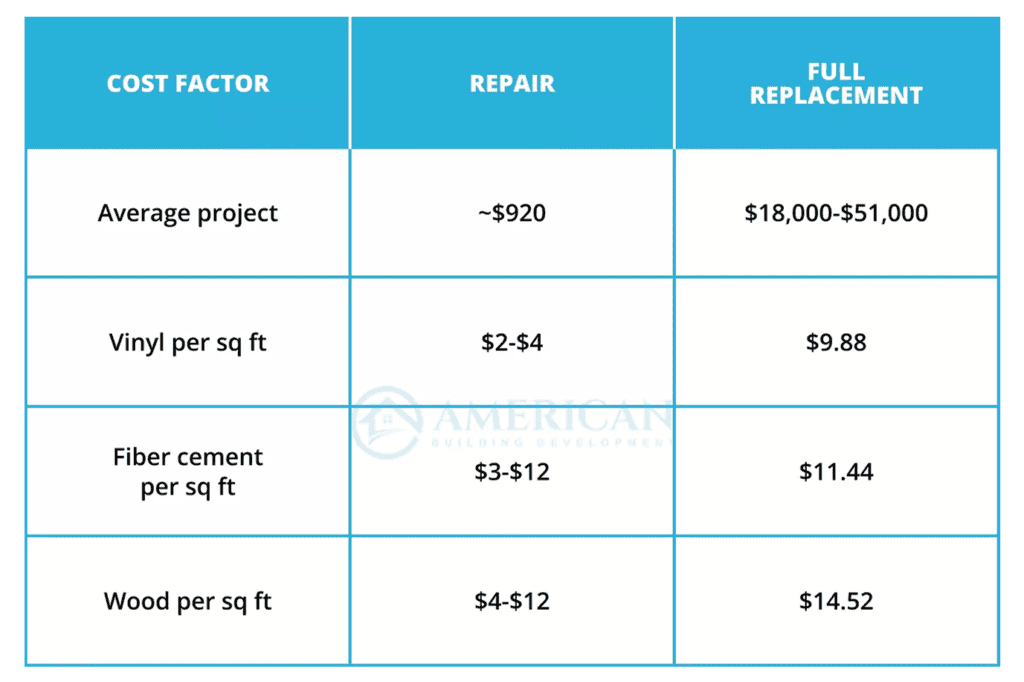
Repair costs are much lower than full replacement, which scales with home size and material. Replacement prices include removal of the existing siding and weather-resistant barrier installation.
Cost of siding replacement = installed price per sq. ft. × exterior wall square footage
Based on 2026 pricing, full siding replacement projects typically range from $18,000 to $51,000, depending on the home’s size and material. Partial replacement of one side typically starts around $7,500.
Want firm siding replacement cost figures for your house in Sacramento? Reputable siding contractors Sacramento homeowners trust will measure on-site. Get a FREE Estimate before you budget.
Cost isn’t the only variable, though. What your siding is made of changes the math, too.
Does Your Siding Material Change the Decision?
Your wall material shifts the whole calculation. Each material fails differently, so the repair-or-replace line lands in a different place depending on what you’ve got.
Vinyl is easiest to fix. At roughly 60 pounds per 100 square feet, panels swap out fast during a vinyl siding installation or repair. The catch? Hail cracks or holes it, and patches stand out, so contractors usually replace the whole board instead.
Fiber cement is tougher and needs fewer repairs overall. When it chips, you replace the plank and match the paint. Its rot resistance makes long-term fiber cement siding options a strong bet in Sacramento’s wet winters and dry summers.
Wood is trickiest. Rot shows at sills, trim, and joints, so isolated boards are repairable – but fix the moisture source first, or the problem simply returns.
| Attribute | Vinyl | Fiber cement | Wood |
|---|---|---|---|
| Ease of repair | Easiest | Moderate | Spot-repairable |
| Common failure | Cracks, holes | Chips, cracks | Rot at joints |
| Patch blends in | Often no | Yes with paint | Yes if sound |
Weighing fiber cement vs vinyl siding comparison details helps set expectations before you commit. One more factor matters: what the choice does for your home’s appearance and value.
Curb Appeal And Long-Term Home Value
Sometimes a patch will hold, yet replacement still pays off. The reason is that siding replacement recovers a large share of its cost when you sell.
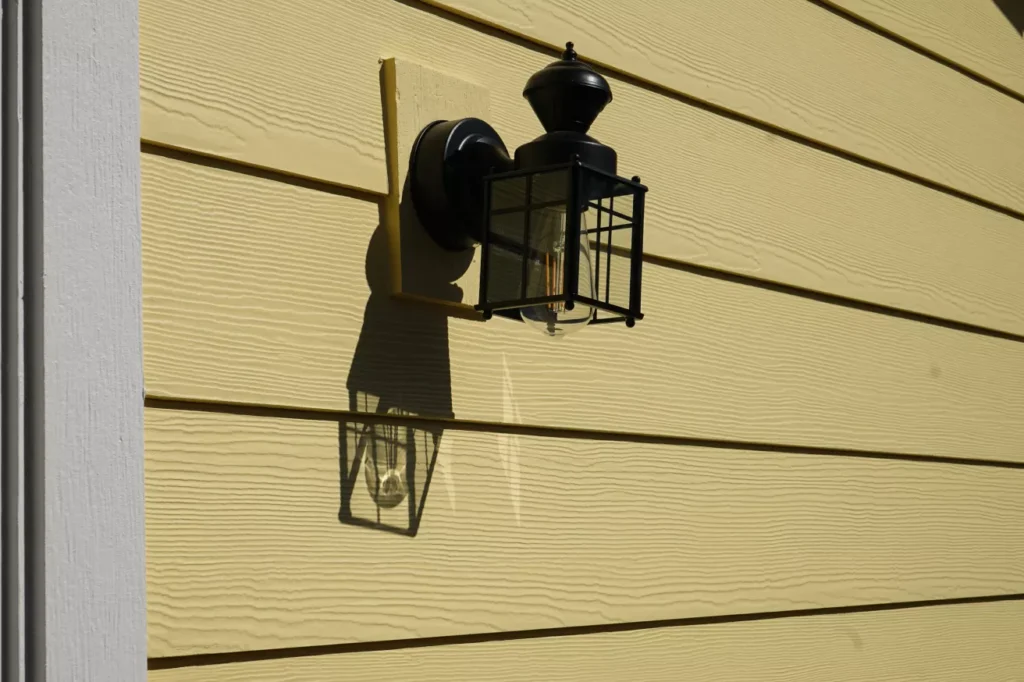
Fiber cement leads the pack. The 2025 Journal of Light Construction cost vs. value report found fiber-cement siding replacement returns about 114% of its cost at resale, ranking it among the top exterior projects nationally. Vinyl isn’t far behind, recouping up to 97%. Those numbers shift year to year, but the pattern holds: exterior work you can see from the street earns its keep.
Then there’s the softer payoff. Fresh siding lifts curb appeal, and buyers form an opinion before they even reach the door. Ever driven past a home and decided in three seconds whether you’d tour it? Your buyers do the same. Strong curb appeal can shorten time on the market and nudge offers higher, which is the real draw of curb-appeal siding replacement.
So even when repair is technically possible, weigh resale, energy savings, and appearance together. For a home you’re selling soon, replacement often wins out. That value question is exactly what comes up on real Sacramento job sites, and it’s worth hearing what that looks like in practice.
What We’ve Seen Work On Sacramento Siding Calls
Here’s the pattern that repeats most on local inspections. A notable share of “small patch” requests becomes larger jobs once the siding is removed, especially on older homes built before 1990. The call usually sounds the same. A homeowner spots one cracked board near a window and expects a quick swap. But that window is exactly where water sneaks past the failed caulk.
Damage hides in predictable places. Lower trim, fascia under overflowing gutters, and joints where two boards meet. Sacramento’s wet-winter, dry-summer cycle works moisture in, then bakes the surface so the rot behind stays invisible.
Pull one board in East Sacramento or Curtis Park, and you’ll often find soft sheathing spreading two or three feet in every direction. What looked like a $400 fix becomes a wall section. That doesn’t mean every job balloons, though. Plenty of newer homes need exactly the small repair that the owner expected. The point is honesty about what’s found once the wall is open. Good siding contractors Sacramento homeowners rely on will probe soft spots before quoting, not after. Wouldn’t you rather know the real extent up front than get surprised mid-project?
Final Words On Repair vs Replacement
Strip away the details, and the siding repair vs replacement decision comes down to three questions. How much is damaged, how old is your siding, and does the same problem keep coming back?
Isolated cracks, minor fading, and one dinged panel over a dry, solid wall? That’s repair territory. But once soft spots spread, panels sag, or you’re patching the same corner every couple of years, replacement stops being optional and starts being the smart money.
Sacramento’s wet-winter, dry-summer swing hides moisture damage better than most climates, so what looks like a $400 fix can open into a wall section. Don’t guess. Probe the soft spots first.
Curious how other local homes handled the same call? Browse project examples in our portfolio to see repair and replacement work side by side.
Want more guidance for homeowners before you decide? Our blog breaks down materials, costs, and timing in plain language.
Ready for a straight answer on your own siding? Get a FREE Estimate, and we’ll measure the real extent on-site.
FAQ
Check how much is affected. When damaged siding covers roughly 20 to 30 percent of your exterior, full siding replacement is preferable to another round of repairs. Press panels for soft, spongy spots that signal more serious damage. If your siding is nearing 20-30 years old, replacement is typically the smarter call.
Repair is cheaper upfront, often a modest cost that scales with the extent of damage. Full replacement typically runs $18,000 to $51,000, depending on material and size. But repeated repairs on failing siding can eventually cost more than a replacement.
Small, isolated dry rot that hasn’t reached the framing can often be repaired. Once rot spreads into large sections or structural framing, replacement is usually needed. A contractor can confirm the depth during inspection.
Most materials last roughly 20-30 years, depending on type and exposure. Sacramento’s sun and wet winters can shorten that, especially for wood. Age-related damage is the strongest signal that replacement is due.
Visibly mismatched patches stand out and can drag down curb appeal. A full replacement typically returns a larger share of its cost at resale than a patch. If you’re selling soon, replacement often pays off more.
No. If the damage is limited to one or two panels and there is no rot or soft spots, a patch is usually enough. Replace more broadly if you’ve already fixed that spot several times. Have a contractor check for hidden moisture first.