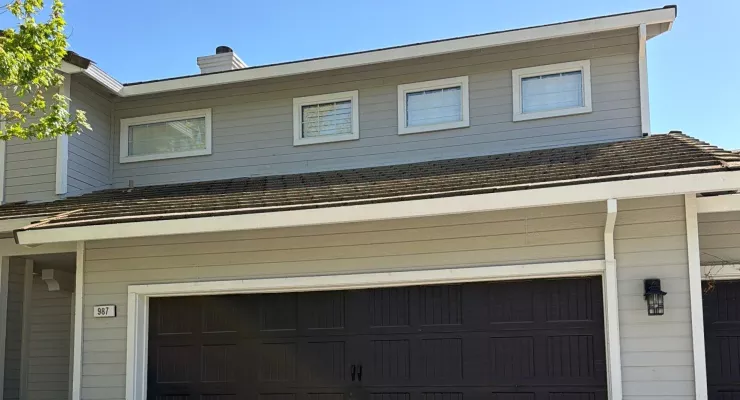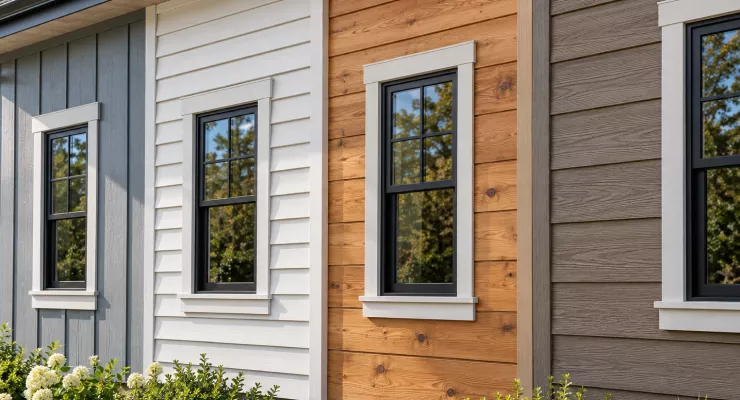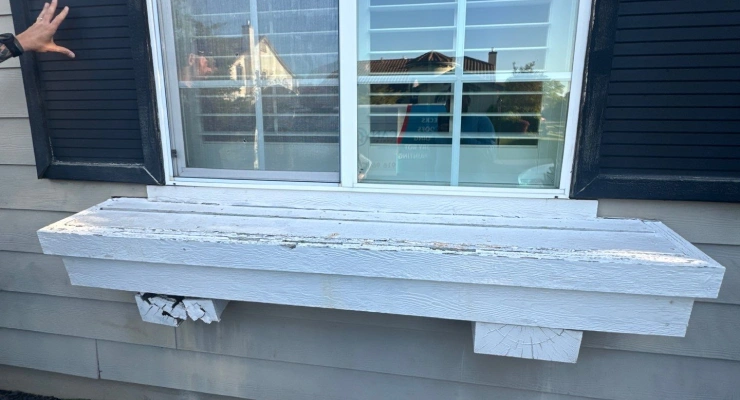
James Hardie siding colors come in two main ColorPlus palettes. The Statement Collection is a regionally curated set stocked locally, while the Dream Collection is a made-to-order range of hundreds of finishes. The collection, product line, and color you choose will shape both your home’s curb appeal and your project’s cost.
It’s easy to get that choice wrong from a small chip. Colors can look different outdoors, especially across large walls and changing light.
This guide covers which Hardie products take ColorPlus and how to match a color to your architecture. It also explains what drives cost and how fiber cement compares with vinyl and LP SmartSide. But first, let’s look at how the ColorPlus palette is organized.
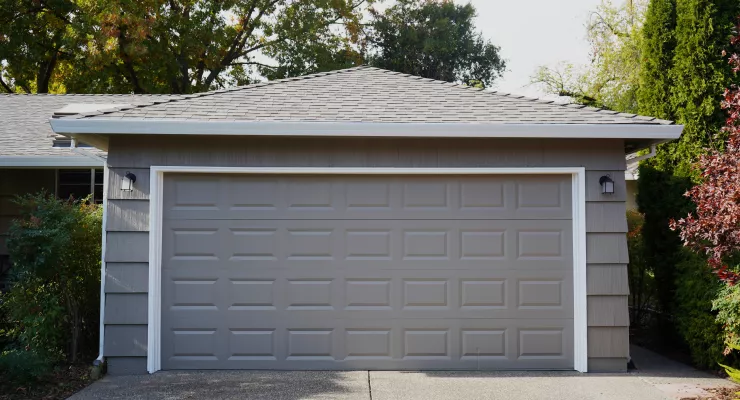
James Hardie Siding Colors: the ColorPlus Palette
Every option in the James Hardie siding colors lineup comes with ColorPlus Technology, a finish baked on at the factory rather than brushed on at your house. The color cures in controlled conditions before a single board reaches your driveway.
The palette is split into collections. The Statement Collection is a regionally curated, locally stocked set, which makes it the simpler place to start. The Dream Collection is a made-to-order palette of hundreds of finishes, sold only in the United States, and it usually costs more.
Popular James Hardie shades include Arctic White for a clean, classic look, Light Mist for a softer gray, and Iron Gray for a darker exterior. Availability varies by region and product, so check current samples before settling on a color.
ColorPlus covers the main products: HardiePlank lap siding, HardiePanel vertical siding for board-and-batten looks, and HardieShingle for a shake style. Hardie plank siding colors and Hardie shake siding colors vary by collection. James Hardie trim colors come from a separate, narrower palette, so double-check that your accent pick actually exists.
Palettes shift by region and year. Check the latest James Hardie color chart and ColorPlus color guide on jameshardie.com for current finishes and free samples. You can also look for the James Hardie colors PDF to compare options, while Auburn siding contractors can show you finished homes nearby.
Knowing the palette is step one. Next, narrow it down to a color, product, and budget that fit your home.
How to Choose a Color, Series, and Budget
Narrowing down James Hardie siding colors starts with your home’s architecture. Craftsman homes suit earthy tones, modern designs suit bold or high-contrast schemes, and colonials favor classic whites. Browsing pictures of Hardie board siding colors can help you spot James Hardie color combinations you’d happily live with.
Then test before you commit. A small chip can mislead, so pin large samples to an outside wall and check them in morning light, midday glare, and evening shade. Remember, big walls read lighter than swatches.
Dark colors are a judgment call. Fiber cement handles UV better than vinyl, but deep shades can fade faster in hard sun.
Match the product to the look: HardiePlank for lap, HardiePanel for board and batten, HardieShingle for shake accents. James Hardie lap siding colors suit classic horizontal profiles, while Hardie board and batten siding colors work well for taller, vertical designs. A James Hardie siding installation crew can confirm which colors are available.
Budget follows the house. Home size, stories and complexity, trim, old siding removal, and labor all drive price. Hidden damage counts too, since dry rot repair behind old siding often surfaces only after tear-off.
The Statement Collection is a practical starting point for keeping material costs in check. Dream Collection products are made to order and may involve higher costs and longer lead times. Your final estimate also depends on the siding profile, trim, labor, and any repairs uncovered during removal.
Try the siding cost calculator for a ballpark, then get a free estimate. Before you commit, it helps to see how fiber cement stacks up against vinyl and engineered wood.
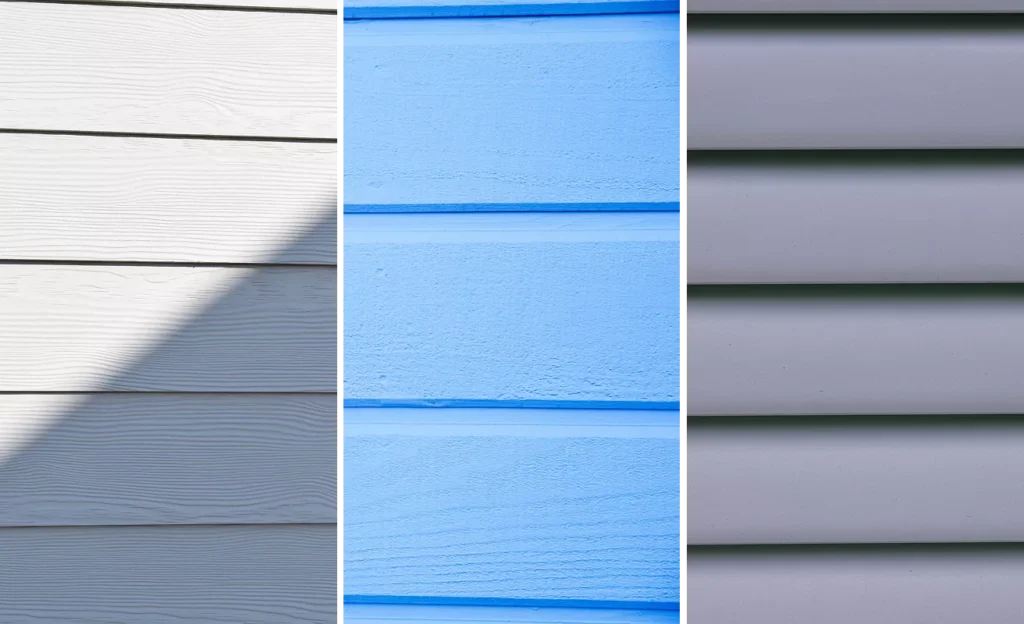
Hardie vs Vinyl and LP SmartSide
James Hardie fiber cement siding colors offer a different range of finishes from LP SmartSide engineered wood and vinyl siding. Each material trades off durability, upkeep, and upfront cost differently. ABD installs all three, so the comparison stays fair.
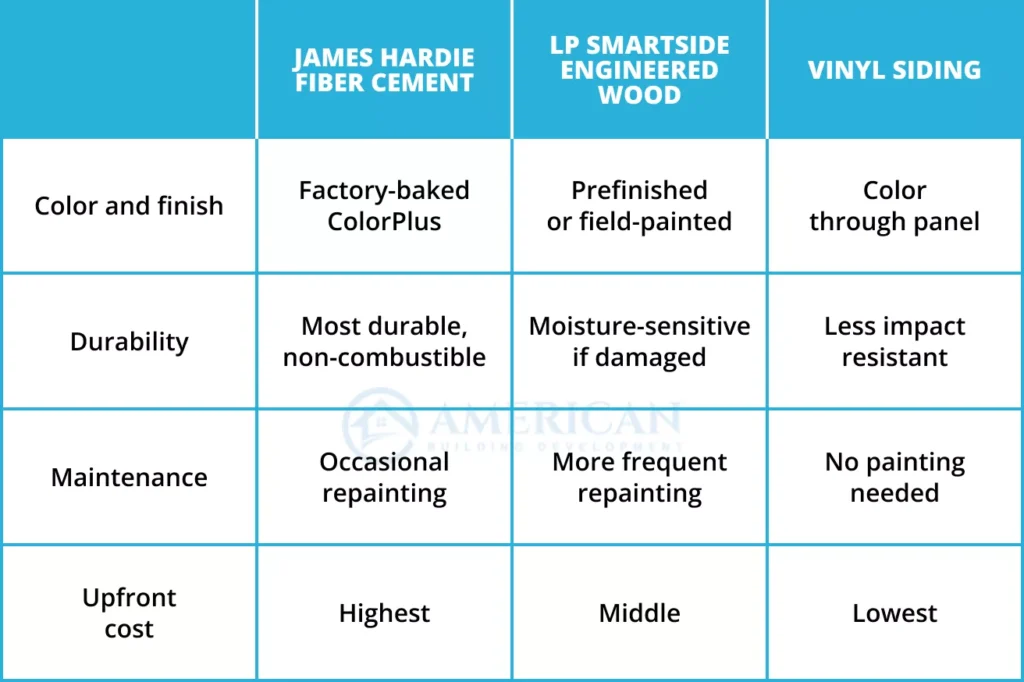
Fiber cement siding suits long-term owners who want lasting color and fire resistance. LP SmartSide brings a real wood-grain look at a lower price, but it’s more prone to moisture damage if the finish coat is compromised.
Vinyl siding is the no-paint value pick, though it handles impacts and strong sun less well. Each one fits a different home. Get a Free Estimate and compare all three samples in person.
Next, here’s what ABD crews actually see on the job when homeowners choose colors and siding.
What We See Installing Hardie ColorPlus Siding
On Northern California homes, local lighting makes a noticeable difference in how siding colors appear. Valley sun in Sacramento can wash out a soft gray by afternoon, while foothill shade in Auburn can make the same board look darker and cooler. Roof color, nearby trees, and surrounding finishes can also change how the same shade reads from one property to another.
Tear-off tells the rest of the story. ABD crews often find hidden dry rot behind old siding, especially around windows, sill plates, and deck ledgers where water has been trapped. You can’t see it from the curb, so set aside a cushion in your budget and ask how repairs are priced before work starts.
Color regrets usually come from choosing a color based on a small chip or a phone screen. The fix is simple: look at finished homes. ABD’s ColorPlus installs in Sacramento and Auburn show how a color behaves next to local stucco, brick, and roof tones. The completed siding projects page lets you compare before-and-after results.
Seeing a color on a real house nearby is the best preview you’ll get.
FAQ
James Hardie doesn’t publish one official most popular color. Its Statement Collection is a curated, locally stocked set of popular finishes, so it’s a smart place to start. Check the James Hardie website for your region’s current lineup.
Fiber cement is heavy and harder to install, so labor costs more than vinyl. It also needs periodic repainting, and the upfront price is higher than vinyl siding.
There’s no single price. Cost depends on the product line, trim, old siding removal, any dry rot repair, and labor. Use the siding cost calculator for a ballpark, then get a free estimate for a real number.
Not always. Hardie board siding colors vary by product, collection, and region. Some finishes are available for lap siding but not for shingles, vertical panels, or trim. Check the current ColorPlus palette before making your final choice.